
Wallflower (Erysimum linifolium)
Erysimum linifolium (Pers.) J. Gay
Description
Sowing dates
Sowing typically occurs in the spring after the risk of frost has passed. Seeds can be sown directly into well-prepared garden beds or started in trays for transplanting.
Surface sowing is recommended as the seeds require a degree of light to germinate effectively. A light covering of horticultural grit or sand is sufficient to hold them in place.
Maintenance of the seedlings involves thinning out overcrowded areas to promote airflow, which is critical for preventing seedling damping-off in the early stages.
For container gardening, use a gritty, free-draining compost mix to ensure that the roots do not sit in excessive water during the colder months of the year.
Consistent temperatures around 18-20°C facilitate optimal germination rates, usually resulting in healthy sprouts appearing within a few weeks of sowing.
Growing requirements
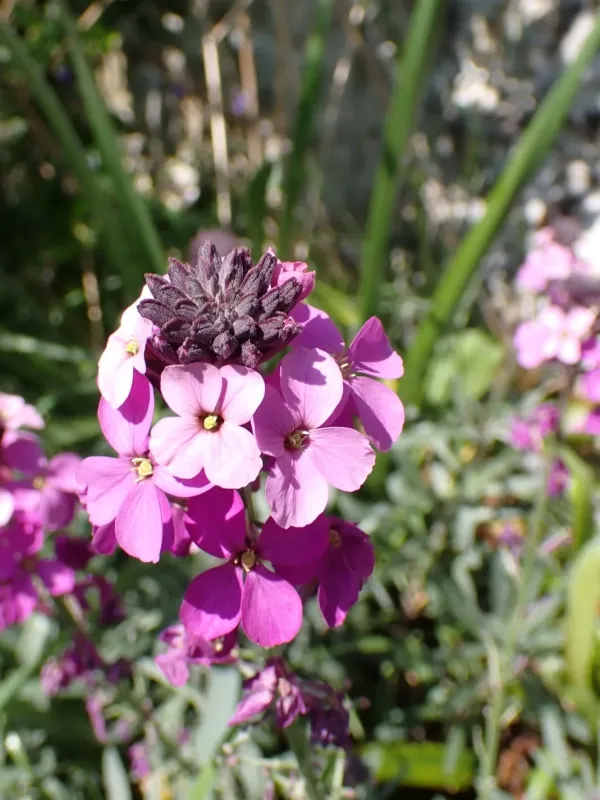
Erysimum linifolium, commonly known as a type of wallflower, is a perennial herbaceous plant within the Brassicaceae family. It is native to the Iberian Peninsula and is highly valued for its ornamental properties.
This plant thrives in full sun exposure. Sunlight is crucial for maintaining the compact growth habit and encouraging the production of its signature vibrant purple-violet flowers.
Soil requirements focus on excellent drainage. This plant is well-adapted to alkaline, stony, or sandy soils and performs poorly in heavy, waterlogged clay environments.
It displays remarkable drought tolerance once established, making it a sustainable choice for water-wise landscaping, rock gardens, and borders in temperate climates.
Botanically, it forms a semi-shrubby mound with narrow, lanceolate leaves and terminal racemes of fragrant flowers, which act as a magnet for pollinators during the spring and summer.
Main diseases and pests
The primary threats to Erysimum linifolium are environmental stress related to poor drainage and specific pests associated with the Brassicaceae family.
Root rot and fungal infections remain the most significant challenges, usually triggered by stagnant moisture around the crown of the plant during the winter season.
- Flea beetles, which leave characteristic "shot holes" in the foliage.
- Aphids, which congregate on developing buds and stress the plant.
- Cabbage white butterfly larvae that can strip leaves rapidly.
- Slugs and snails, which can cause significant damage to young, tender growth.
To mitigate these risks, provide adequate spacing between plants and avoid over-mulching around the base, which helps keep the crown dry and healthy.
Integrated pest management strategies should be employed if infestations reach economic thresholds, prioritizing soaps or targeted biological controls.