
Wallflower
Erysimum cheiri (L.) Crantz
Description
Sowing dates
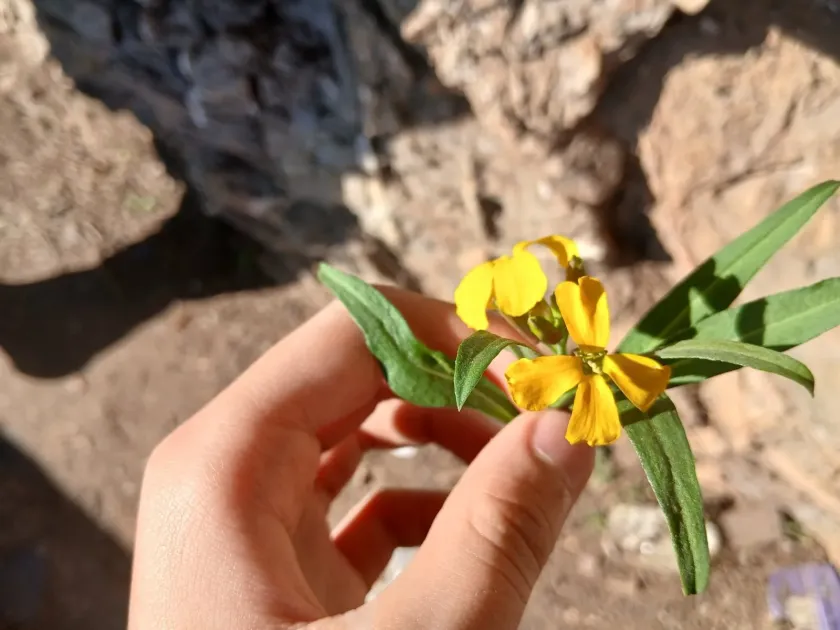
Wallflower (Erysimum cheiri) is a biennial or short-lived perennial plant belonging to the Brassicaceae family. It is widely recognized for its vibrant spring blooms and pleasant fragrance.
Seeds are typically sown in late spring or early summer in prepared seedbeds. The optimal temperature for germination ranges between 15 and 18 degrees Celsius for best results.
Seedlings should be thinned or transplanted to their final growing positions in late summer to ensure they establish a robust root system before the onset of winter.
When transplanting, maintain a spacing of 20 to 30 centimeters between individual plants to promote air circulation and reduce the risk of humidity-related diseases.
Choosing a site with full sun exposure is crucial for vigorous growth, although plants can tolerate partial shade in regions with excessively hot summer climates.
Growing requirements
Wallflowers thrive in well-drained, alkaline or neutral soils. They are particularly sensitive to waterlogged conditions, which can lead to rapid root rot during dormant months.
In acidic soil environments, it is recommended to amend the ground with lime or dolomite to reach the desired pH level, which encourages healthy development and flowering.
The soil should be kept moderately moist during the active growing season. Avoid overhead watering, which can damage the flowers and create conditions favorable for fungal growth.
The plant is considered moderately hardy. In colder climates, adding a layer of mulch or using a horticultural fleece can provide necessary protection during deep winter freezes.
Regular feeding with balanced, low-nitrogen fertilizers helps sustain the plant through its flowering phase without encouraging excessive, soft leafy growth that is prone to damage.
Main diseases and pests
Clubroot is a significant threat to wallflowers, as they are part of the Brassicaceae family. This soil-borne pathogen can cause stunted growth and eventual death of the plant.
Fungal diseases like downy mildew and botrytis can appear if plants are overcrowded or if the garden lacks sufficient ventilation during periods of high humidity.
Common pests include flea beetles and caterpillars of the large white butterfly, which can strip the foliage and significantly reduce the plant's aesthetic value.
Effective pest management involves regular monitoring and the use of appropriate biological or chemical control agents when infestation levels reach the economic threshold.
Maintaining a strict crop rotation strategy is the most effective way to prevent the buildup of soil-borne pathogens and pests specific to the Brassicaceae group.
Harvesting
Wallflowers are primarily cultivated for their ornamental value in borders, rock gardens, and as a popular choice for cut flower arrangements in spring.
For cut flowers, harvest the stems when the bottom florets are open and the top buds are still showing color. This ensures the longest possible display time in vases.
When collecting seeds, wait for the pods to turn brown and begin to dry out on the stalks. Harvest on a dry day to prevent mold from developing during storage.
Seeds should be threshed, cleaned of debris, and left to dry fully in a cool, dark room before being placed into airtight, labeled paper envelopes for future use.
Properly dried seeds remain viable for several years if stored in a consistently cool, dry environment, making them an excellent choice for seed saving practices.