
Ditassa
Ditassa
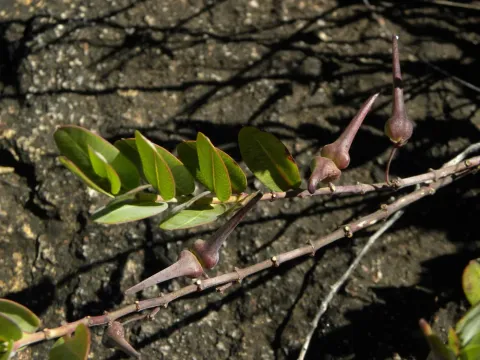
Ditassa is a genus of flowering plants belonging to the Apocynaceae family. These plants are native to the tropical regions of South America, where they typically grow as climbing vines or small subshrubs within diverse forest ecosystems.
What the section contains
Ditassa
Botanically, Ditassa species are distinguished by their opposite leaf arrangement and unique flower structure. The stems often contain milky latex, which is a common characteristic of many members of the dogbane family, serving as a defensive mechanism against herbivores.
The climatic requirements for Ditassa are strictly tropical, necessitating high ambient temperatures and consistent humidity levels. These plants are highly intolerant of frost, and any exposure to freezing conditions will result in significant physiological damage or death.
Optimal soil conditions must include excellent drainage and a slightly acidic to neutral pH. Growers often use specialized substrates composed of peat moss, perlite, and coarse sand to prevent root suffocation, which is a common issue when the soil remains too compacted.
In terms of agricultural management, light levels must be carefully managed. While the plants require plenty of energy for growth, they are susceptible to leaf scorch from intense, direct sun. Providing filtered light or dappled shade is essential for maintaining plant vigor.
The primary pest threats to Ditassa include spider mites and mealybugs, which thrive in low-humidity indoor environments. Regular inspection and the application of horticultural oils or systemic pesticides are necessary to control these infestations before they spread.
Pathogenic threats are dominated by fungal infections of the roots, often caused by overwatering or poor soil drainage. Maintaining a proper irrigation schedule and ensuring the plant is not sitting in water are the best preventive measures for sustainable plant health.