
Cymbidium tigrinum
Cymbidium tigrinum
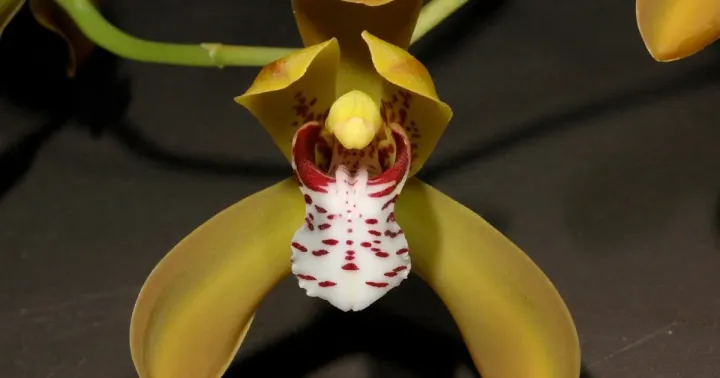
Description
Growing requirements
Cymbidium tigrinum is a compact, cool-to-intermediate growing epiphyte belonging to the Orchidaceae family. It originates from the mountainous regions of Northeast India, Myanmar, and China, typically thriving at elevations ranging from 1,200 to 2,800 meters.
Successful cultivation requires a distinct diurnal temperature drop. The plant performs best with daytime temperatures between 20°C and 24°C and nighttime temperatures dipping to 10°C–12°C, which is essential to trigger the blooming cycle of the orchid.
The potting medium must be exceptionally well-draining, consisting of a mix of bark, perlite, and sphagnum moss. High air permeability is crucial to prevent the accumulation of moisture around the root system, which can lead to rapid decay.
Bright, indirect light is required for healthy vegetative growth and flowering. While it enjoys high humidity levels of 60% to 70%, constant air movement is necessary to prevent fungal stagnation and the development of black spots on the leaves.
Watering should be consistent during the growing season but significantly reduced during the winter dormancy period. It is recommended to use filtered or rainwater to avoid mineral buildup, as orchids are sensitive to hard water conditions.
Main diseases and pests
The most common pests affecting this orchid are spider mites, scale insects, and mealybugs. Regular monitoring of the foliage and pseudobulbs is necessary to detect these pests early and apply appropriate horticultural oils or insecticides.
Bacterial and fungal infections, such as root rot or pseudobulb rot, are the primary threats to the health of the plant. These often result from poor drainage, insufficient airflow, or excessive moisture trapped in the crown of the orchid.
Viral diseases can be transmitted through improper tool maintenance. Always sterilize cutting tools with fire or alcohol when trimming dead leaves or dividing the orchid to prevent the spread of pathogens between plants in the collection.
If the pseudobulbs show signs of shriveling, it may indicate either a lack of water or, conversely, a damaged root system unable to absorb moisture. Careful inspection is required to determine whether the plant needs more water or a repotting process.
Providing a balanced environment is the best defense against pests and diseases. Maintaining clean surfaces around the growing area and ensuring that water does not sit in the leaf axils are critical cultural practices for professional and hobbyist orchid growers.