
Cymbidium banaense
Cymbidium banaense
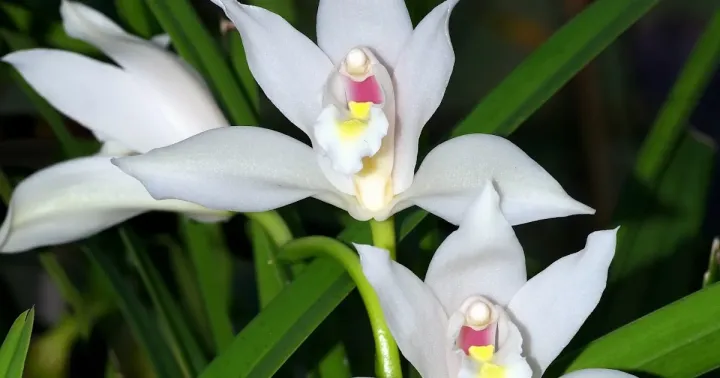
Description
Growing requirements
Cymbidium banaense is a distinct orchid species belonging to the Orchidaceae family. It originates from the high-altitude cloud forests of Vietnam, where it thrives in cool, humid, and stable microclimatic conditions.
The cultivation of this species requires a specific diurnal temperature range. Growers should maintain moderate daytime temperatures and provide significantly cooler nights to trigger natural metabolic cycles and successful blooming.
As an epiphyte, the plant demands a highly porous growing medium. A mixture consisting of high-quality pine bark, perlite, and charcoal is recommended to ensure the roots receive adequate oxygenation and prevent compaction.
Light intensity is paramount for the health of Cymbidium banaense. It requires bright, indirect light, mimicking the dappled sun found under a canopy, which prevents heat stress while providing enough energy for growth.
Maintaining high relative humidity is essential for these plants. During the growing season, consistent moisture should be provided, though the substrate must be allowed to approach dryness between watering intervals to ensure root health.
Main diseases and pests
Common pests affecting this orchid include spider mites and scale insects. These organisms thrive in dry environments, making it vital to monitor the foliage and utilize horticultural oils or insecticides when necessary.
Fungal rots, specifically Phytophthora or Pythium, can compromise the root system if water stagnates in the pot. Proper drainage is the primary defense against these aggressive soil-borne pathogens.
Leaf spotting diseases may appear if there is poor airflow around the plant. Ensuring active ventilation helps dry foliage quickly after misting or watering, which drastically reduces the risk of bacterial outbreaks.
Nutrient deficiency may weaken the plant, making it more susceptible to opportunistic diseases. Using a specialized orchid fertilizer at a diluted strength during the active growth phase is recommended.
Regular inspection of the root zone and the underside of leaves is the most effective proactive strategy to manage potential threats before they reach an epidemic level in your collection.