
Cymbidium bicolor
Cymbidium bicolor
Description
Growing requirements
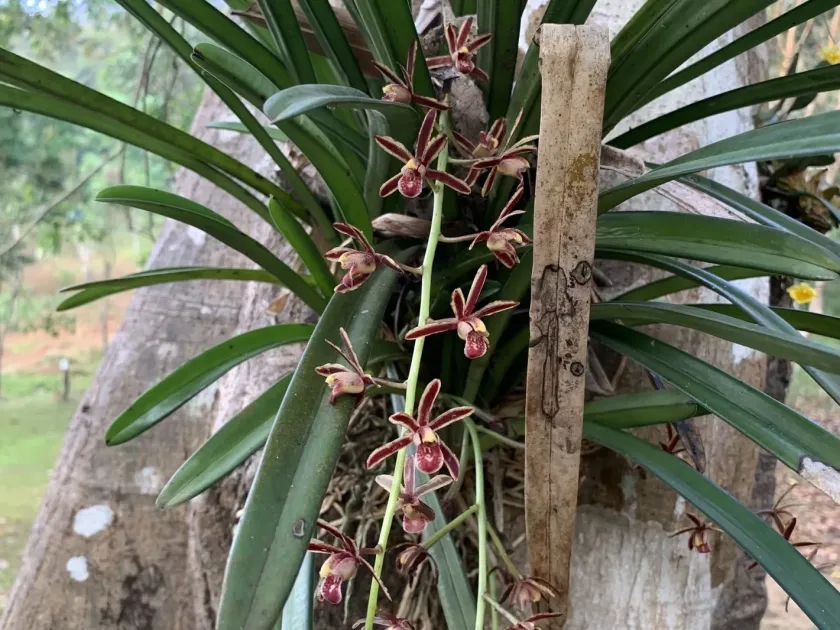
Cymbidium bicolor is a species of epiphytic orchid belonging to the Orchidaceae family. Native to the tropical regions of Southeast Asia, including India and the Philippines, this species typically inhabits humid forest environments where it grows on tree trunks or rock surfaces.
The plant is characterized by long, slender pseudobulbs and narrow, leathery leaves. The inflorescences are often pendulous, carrying multiple small, fragrant flowers that feature distinct two-toned petals, providing significant aesthetic value for orchid enthusiasts and botanical collections.
For successful growth, Cymbidium bicolor requires bright, indirect sunlight to prevent leaf scorch. The ideal temperature range is between 18 and 28 degrees Celsius, and a distinct diurnal temperature fluctuation is beneficial to stimulate the development of flower spikes throughout the season.
The growing medium must be highly porous and well-draining, consisting primarily of pine bark, charcoal, and perlite. This structure prevents water accumulation around the root system, which is crucial for preventing root rot, a common ailment in indoor orchid cultivation.
Watering should be managed carefully, ensuring the substrate is allowed to dry slightly between sessions. Maintaining high atmospheric humidity (around 65% to 75%) is essential for tropical species, which can be achieved through regular misting or using specialized grow space humidification systems.
Main diseases and pests
The most common pests affecting Cymbidium bicolor are spider mites and mealybugs, which thrive in low-humidity environments. Integrated pest management strategies, including the use of neem oil or targeted insecticides, are recommended to maintain plant health and prevent population explosions.
Fungal pathogens represent a significant threat, especially under conditions of poor ventilation and excessive moisture. Diseases such as root rot and leaf spot can be mitigated by ensuring proper air circulation and using fungicides specifically formulated for ornamental orchid varieties.
Viral infections may manifest as mosaic patterns or necrosis on the leaves, which are generally irreversible. Quarantine procedures for new plants are essential to prevent the spread of these pathogens within a collection, as there is currently no effective chemical cure for viral orchid diseases.
Soft rot caused by bacterial invasion can occur if water remains trapped in the center of new growth or leaf axils. Providing gentle ventilation helps keep these areas dry, reducing the risk of bacterial proliferation and subsequent tissue decay.
Systemic monitoring and preventive care, such as cleaning leaves with a damp cloth and inspecting the root zone during repotting, are critical components of maintaining the longevity of Cymbidium bicolor. Early detection of symptoms significantly increases the chances of successful treatment.