
Cymbidium concinnum
Cymbidium concinnum
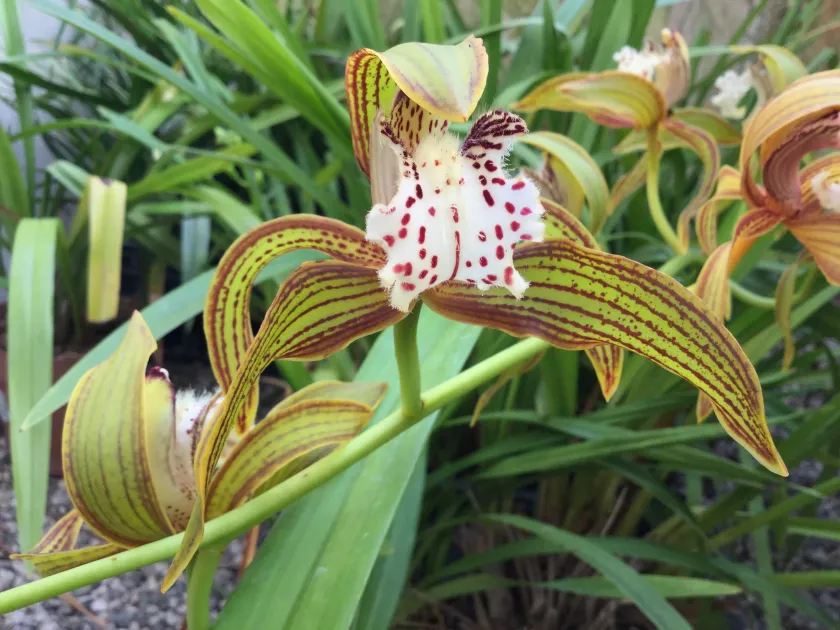
Description
Growing requirements
Cymbidium concinnum belongs to the Orchidaceae family. It is a perennial plant native to the highland regions of Southeast Asia, characterized by its elegant growth habit and the specific environmental parameters required for successful development in cultivation.
The culture thrives in bright, filtered light. Protecting the plant from direct midday sun is essential to prevent leaf scorching while ensuring sufficient energy for photosynthesis and future bloom development during the active growth period.
A well-draining, airy substrate is fundamental for this orchid. A professional-grade mix typically includes pine bark, perlite, and a small amount of charcoal to manage moisture retention while preventing the suffocation of the root system.
Temperature management is critical; the species responds well to moderate day temperatures and cooler nights. A significant drop in temperature during the night is often a necessary stimulus to trigger the development of flower spikes in mature pseudobulbs.
Humidity management, maintained at 60-70%, supports the plant's metabolic processes. It is essential to ensure adequate airflow within the growing area to mimic natural mountain breezes and prevent the accumulation of stagnant humidity around the foliage.
Main diseases and pests
Common pests include spider mites and scale insects. These organisms can severely damage the plant by feeding on leaf tissues and sap, necessitating routine inspections of the underside of leaves and along the pseudobulbs.
Fungal rots, particularly of the root system, represent the most significant threat to Cymbidium health. These are usually the direct result of overwatering or the use of decomposed media that retains too much moisture and prevents proper aeration.
Bacterial infections can spread rapidly in high-temperature and high-humidity environments. Immediate isolation of the affected plant and the use of sterile cutting tools are vital steps to prevent the spread of the pathogen to healthy specimens.
Prevention involves maintaining high hygiene standards, such as cleaning tools with alcohol and ensuring that the pots are kept free from organic debris. Healthy root systems are the best defense against environmental stressors.
Integrated pest management protocols, including the periodic application of appropriate miticides and fungicides, are recommended to maintain a healthy collection and ensure the longevity and productivity of the orchid plants.