
Cymbidium borneense
Cymbidium borneense
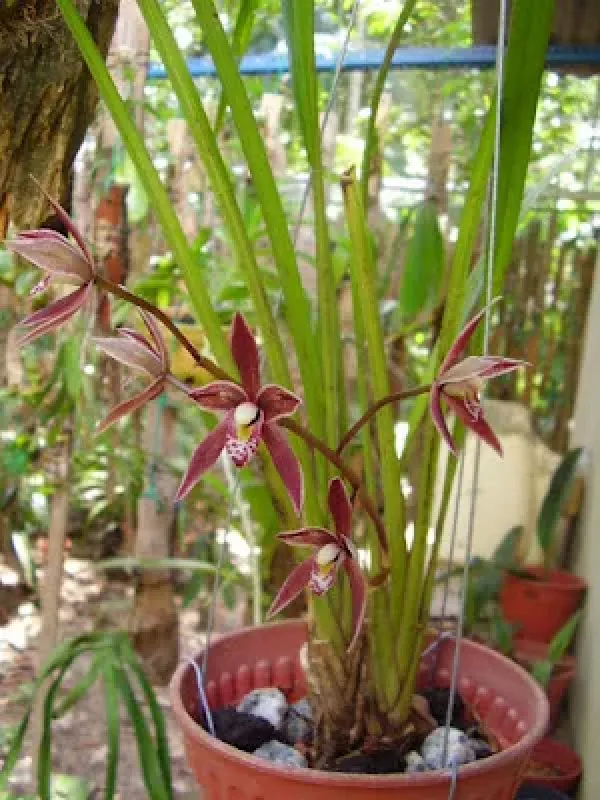
Description
Growing requirements
Cymbidium borneense belongs to the Orchidaceae family. It is an epiphytic or lithophytic orchid native to the humid tropical forests of Borneo, where it thrives in conditions of consistently high temperatures and significant air humidity.
For successful cultivation, it is necessary to maintain a temperature range of 22–28°C during the active growth period. A slight temperature drop at night is beneficial, as it stimulates the flowering processes and strengthens the plant's immune system.
The plant is highly demanding regarding lighting. It prefers bright but diffused light, as direct sunlight can cause leaf scorch. East or west-facing windows with light shading during the peak sun hours are considered optimal locations.
The potting medium must closely mimic its natural habitat. An ideal substrate consists of a mixture of fine to medium-grade pine bark, charcoal, sphagnum moss, and perlite to ensure adequate root aeration and drainage.
Humidity levels should be kept between 60–80%. Watering is best achieved by soaking the pot in soft, room-temperature water once the substrate has completely dried out, preventing moisture stagnation and subsequent root rot.
Main diseases and pests
Major threats to the crop's health include fungal and bacterial infections caused by improper irrigation and poor ventilation. Root rot is the most common issue, necessitating immediate repotting and treatment with fungicides.
Among pests, scale insects and spider mites are the most dangerous. These pests multiply rapidly in dry air, feeding on leaf cell sap, which leads to the weakening of the plant and loss of aesthetic appeal.
Preventative measures include regular inspection of the leaf undersides and wiping them with a damp cloth. If infestations are detected, systemic insecticides must be applied according to the manufacturer's instructions.
Beyond insects, the culture is sensitive to viruses that can be transmitted via contaminated gardening tools. It is essential to disinfect secateurs and knives before each manipulation with the plant.
Maintaining a quarantine period for new additions to the collection helps minimize the risks of spreading pests and diseases among healthy specimens.
Harvesting
The economic utility of this species is focused on ornamental horticulture and the breeding of new orchid cultivars. Cymbidium borneense is highly valued by collectors for its unique morphological features and the specific fragrance of its inflorescences.
Harvesting flower spikes for decorative purposes or for pollination in breeding programs requires careful handling. To extend the vase life of the flower stalk, it is recommended to cut the stem at an angle and use specialized floral preservatives.