
Cymbidium acuminatum
Cymbidium acuminatum
Description
Growing requirements
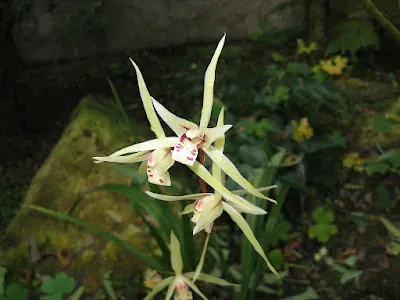
Cymbidium acuminatum is an epiphytic orchid belonging to the Orchidaceae family. Native to Southeast Asian tropical forests, this species has evolved to thrive in high-humidity canopy environments, utilizing its specialized root system to absorb moisture and nutrients from the air and debris.
The plant features a sympodial growth habit, producing distinct pseudobulbs that function as essential storage organs. Its foliage is characterized by long, narrow, and acuminate leaves that require consistent light exposure to maintain healthy physiological processes and optimal green coloration.
Agricultural success depends on providing an appropriate epiphytic substrate, typically composed of coniferous bark, perlite, and charcoal to ensure maximum porosity. Proper drainage is non-negotiable, as stagnant moisture around the roots rapidly leads to physiological decline.
Environmental requirements include a stable temperature range, typically between 18°C and 25°C. To induce flowering, growers must implement a diurnal temperature drop, which mimics the natural shift in the orchid's native high-altitude or seasonal tropical habitats.
In ornamental horticulture, Cymbidium acuminatum is prized for its long-lasting, visually striking racemes. It is widely cultivated for the cut flower industry due to the durability of its blooms, which can remain fresh for several weeks if handled correctly after harvesting.
Main diseases and pests
Root rot, primarily caused by excessive moisture and poor air circulation, represents the most significant agronomic threat. Implementation of rigorous irrigation management protocols is essential to maintain the structural integrity of the root system.
Pests such as scale insects and spider mites frequently target the plant, particularly in greenhouse conditions where humidity management may fluctuate. Regular monitoring and the application of integrated pest management (IPM) strategies are vital for crop protection.
Fungal infections, including leaf spot diseases, can occur if the humidity levels are too high without adequate air movement. Improving ventilation and using prophylactic fungicide treatments are standard practices in professional orchid nurseries.
Mealybugs are another common nuisance, often hiding in the dense foliage or the junction of pseudobulbs. Manual removal or the use of targeted systemic insecticides is recommended upon the first sign of infestation to prevent population spikes.
Maintaining a high standard of hygiene in the growing facility, including sterilizing tools between handling different plants, is crucial. This practice minimizes the transmission of pathogens and ensures a healthy crop cycle for all orchid varieties.