
Cymbidium aliciae
Cymbidium aliciae
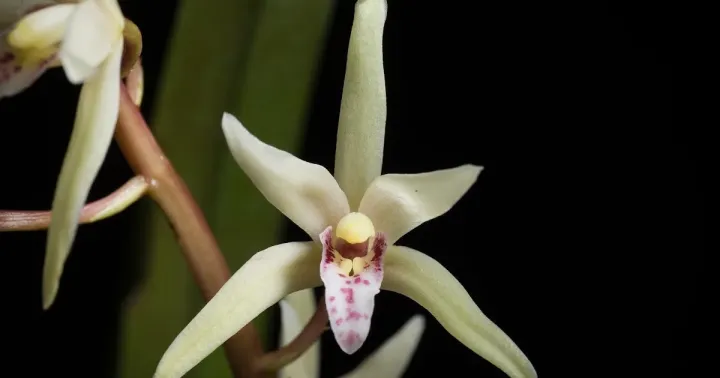
Description
Growing requirements
Cymbidium aliciae is a distinctive species within the Orchidaceae family, native to the higher altitudes of the Philippines. As an epiphytic plant, it thrives in cloud forests, where it develops specialized pseudobulbs that store water and nutrients for periods of environmental stress.
The substrate for this orchid must mimic its natural habitat, emphasizing high drainage and air circulation. A blend of high-quality orchid bark, perlite, and a small amount of charcoal is ideal, ensuring that roots are never submerged in stagnant water, which can be fatal for the plant.
Temperature management is the most critical aspect of the plant's agronomy. It requires a significant diurnal temperature variation to trigger flowering; specifically, a cooler night cycle (around 15°C) is essential compared to the warmer daytime temperatures of 22–26°C.
Light intensity requirements are high, but direct, scorching sunlight must be avoided. The foliage should be a healthy olive-green; if leaves turn dark green, the plant is likely not receiving enough light, while yellowish leaves indicate excessive exposure to intense rays.
Humidity and ventilation are paramount for the health of Cymbidium aliciae. Maintaining ambient humidity between 60% and 70% while ensuring constant air movement prevents the accumulation of moisture on the leaves, which is a common precursor to physiological stress in indoor collections.
Main diseases and pests
Spider mites are the most persistent pests for this species, thriving in environments with low humidity and poor ventilation. Regular misting and the application of horticultural oils or specific acaricides are recommended to manage mite populations before they cause visible leaf damage.
Root rot caused by Oomycetes and various fungal pathogens remains the primary threat to the longevity of the plant. If the potting medium decomposes or becomes compacted, it must be replaced immediately to ensure the roots receive adequate oxygenation and to prevent the onset of systemic decay.