
Cymbidium aloifolium
Cymbidium aloifolium
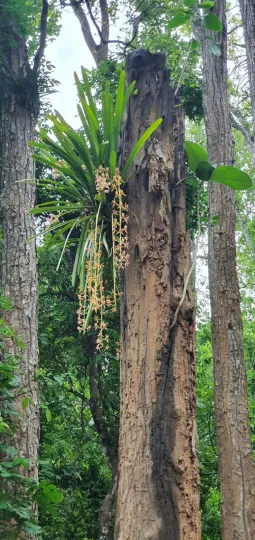
Description
Growing requirements
Cymbidium aloifolium is a perennial epiphytic and lithophytic species belonging to the Orchidaceae family. Its native range spans the tropical regions of Southeast Asia, where it thrives in humid forest habitats, utilizing tree branches or rocky substrates for anchorage.
Agricultural cultivation of this orchid requires specific environmental parameters to thrive. An optimal daytime temperature range of 20–25°C is recommended, combined with a slight temperature drop at night, which is crucial for initiating and maintaining vigorous growth cycles.
The substrate for Cymbidium aloifolium must be exceptionally well-drained. Commercial growers typically utilize a coarse mix containing pine bark, perlite, and charcoal. This composition ensures that the roots receive adequate oxygenation while preventing water stagnation.
Light intensity is a critical factor for successful production. While these plants enjoy high light levels, direct, unfiltered sunlight can scorch the foliage. Implementing shading systems is essential to provide consistent, bright, diffused light throughout the growing season.
Water management involves keeping the substrate moist but allowing for cycles of near-dryness to prevent root rot. High atmospheric humidity, ideally maintained above 65%, is necessary to support the plant's metabolic functions and prevent stress.
Main diseases and pests
Common pests affecting Cymbidium aloifolium include mealybugs and scale insects, which inhabit the leaf axils and stems. These sap-sucking pests extract essential nutrients, causing stunted growth and general decline in the plant's vitality.
Spider mites are a persistent threat in environments with low humidity. They congregate on the undersides of leaves, causing yellowing and tissue necrosis. Regular monitoring and humidity control are the primary methods for managing these populations.
Fungal rots, including Fusarium and Pythium, are frequent issues caused by poor air circulation and excessive moisture. These pathogens quickly compromise the root system, often leading to rapid plant mortality if not identified early.
Viral infections, such as the Cymbidium Mosaic Virus, pose a significant risk to orchid collections. Since there is no cure, rigorous sanitation protocols and the use of sterile cutting tools are mandatory during all propagation and maintenance procedures.
Effective pest and disease control requires an integrated approach. This includes biological control agents, application of systemic fungicides and insecticides when necessary, and maintaining a clean, well-ventilated growing environment to minimize pathogen stress.