
Summer Cymbidium
Cymbidium aestivum
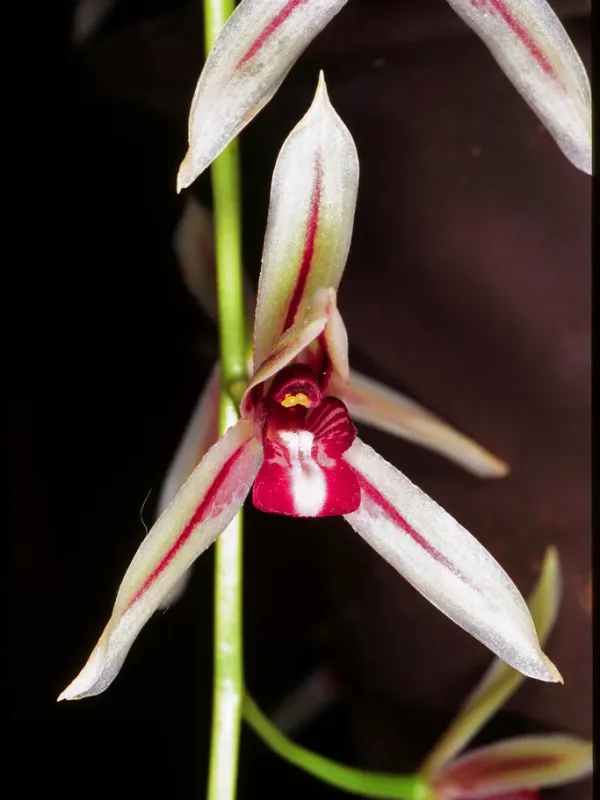
Description
Growing requirements
The Summer Cymbidium (Cymbidium aestivum) is a specialized perennial plant belonging to the Orchidaceae family. Unlike winter-blooming varieties, this species is specifically adapted to warmer conditions, making it an excellent candidate for commercial greenhouse production during the summer months.
Optimal growth requires a stable environment with temperatures maintained between 18°C and 25°C. As an epiphytic-nurtured plant, it thrives in a well-ventilated space where air circulation is actively managed to prevent the accumulation of heat and humidity, which could lead to physiological stress.
The substrate composition is of paramount importance for this species. A porous mix consisting of pine bark, coarse perlite, and charcoal is recommended to ensure excellent drainage and prevent the roots from remaining in a saturated state, which is a common cause of failure in orchid cultivation.
Light management requires a sophisticated approach. The plants need high levels of bright, indirect light to stimulate flower spike initiation. Greenhouse operators typically employ shading systems that can be adjusted based on the time of day and seasonal intensity to protect foliage from sunscald.
Proper irrigation management involves the use of high-quality water with adjusted mineral content. Maintaining relative humidity levels around 65-70% is essential for healthy stomatal function, which directly influences the vegetative vigor and reproductive success of the orchid.
Yield
The yield of Summer Cymbidium is measured by the number of high-quality spikes produced per plant. Under optimal commercial management, a mature plant can consistently produce 2 to 5 strong inflorescences per season, depending on the specific cultivar characteristics.
Commercial grading standards emphasize the length of the flower spike, the total number of blooms, and the aesthetic uniformity of the flowers. A premium spike should feature at least 8 to 12 flowers with thick, waxy petals that offer high resistance to physical handling.
Fertilization programs are vital for maximizing yields. Agronomists recommend a balanced NPK ratio, specifically increasing potassium and phosphorus during the spike development stage to ensure that the blooms are structurally sound and vibrantly colored.
The planting density is generally kept at 4 to 6 plants per square meter. This spacing ensures that each plant receives adequate light exposure and prevents the cross-contamination of pests, while also facilitating efficient maintenance procedures for the greenhouse staff.
Genetic uniformity is achieved through the use of meristem-cultured propagules. This investment in high-quality starting material pays off during harvest, as it ensures that the entire crop matures simultaneously, simplifying harvest logistics and market distribution.
Main diseases and pests
The primary threat to the Summer Cymbidium in commercial settings is fungal root rot, typically caused by Pythium or Fusarium species. These issues arise when substrate moisture levels are not accurately controlled or when drainage is obstructed by degraded bark material.
Pests like spider mites thrive in the warmer, drier conditions favored by the plant. Regular monitoring is essential, and an integrated pest management (IPM) approach—utilizing biological controls like predatory mites—is preferred over heavy chemical applications to preserve floral quality.
Scale insects and mealybugs are persistent threats that hide in the leaf axils. Early detection is critical for successful control; otherwise, these pests can quickly suck the sap from the plants, leading to stunted growth and the spread of secondary viral or fungal infections.
Viral infections, including Cymbidium Mosaic Virus, are devastating for the industry as they cannot be cured. Strict phytosanitary protocols, such as disinfecting all cutting tools with antiviral agents between plants, are the only way to safeguard the greenhouse population.
Bacterial soft rot can occur if the crowns of the plants remain wet for prolonged periods. Ensuring that water does not pool in the center of the growths during irrigation is a simple yet vital prophylactic measure for maintaining crop health.
Harvesting
Harvesting should occur when approximately 50-70% of the flowers on the spike have opened. This stage provides the best balance between peak aesthetic display and post-harvest longevity, allowing the spikes to continue developing while in transport.
Using a sterile, sharp knife is mandatory for harvesting to prevent the transmission of pathogens. The spikes are cut near the base, taking care not to damage the surrounding pseudobulbs or leaves, which are necessary for the plant's future production cycles.
Once harvested, the spikes are immediately placed into clean water treated with hydration solutions. These solutions contain sugar and antimicrobial agents that inhibit bacterial growth and help the flower maintain its turgor pressure during the supply chain process.
Packing is done with extreme care, using protective sleeves to shield the delicate blooms from impact and friction. Keeping the product at a consistent, cool temperature during shipping is essential to prevent premature senescence of the flowers.
Post-harvest management of the mother plants includes a brief reduction in irrigation and fertilizing. This "rest period" allows the orchids to recover their energy reserves after the intense metabolic demand of producing flower spikes, preparing them for the next season.