
Cymbidium parishii
Cymbidium parishii
Description
Growing requirements
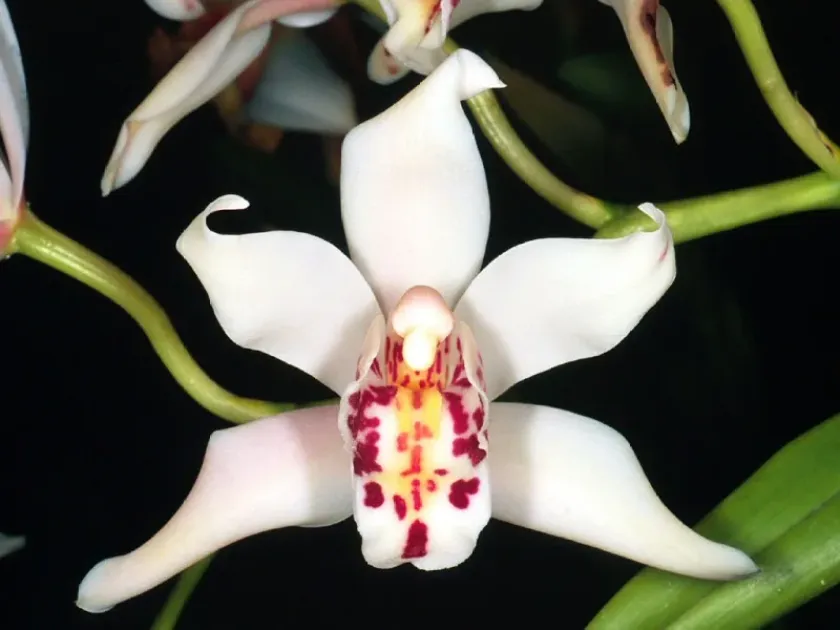
Cymbidium parishii is an orchid species belonging to the Orchidaceae family, noted for its unique morphological characteristics. Native to high-altitude regions of India, Myanmar, and Thailand, it grows primarily as an epiphyte in cool, mist-shrouded montane forests.
The plant features distinct pseudobulbs that function as water-storage organs, allowing the species to survive in its mountainous habitat. It requires a specific microclimate characterized by high humidity and significant diurnal temperature fluctuations to trigger the flowering process.
For cultivation, a well-draining substrate is mandatory to prevent root rot, typically consisting of bark chunks, perlite, and charcoal. Proper aeration of the root system is essential for the healthy development of this orchid in a controlled greenhouse environment.
Agricultural practices involve a structured fertilization schedule using balanced liquid fertilizers during the active growing season. During the cooler months, the plant requires a rest period with reduced irrigation to ensure successful floral induction for the coming year.
Commercially, this species is highly valued by breeders for its unique genetics. It serves as a parent for creating hybrids that combine cold tolerance with high aesthetic appeal, making it a staple in advanced orchid collections worldwide.
Main diseases and pests
The plant is susceptible to common greenhouse pests, including scale insects and spider mites, which thrive in stagnant air conditions. Integrated pest management using organic oils or specific systemic insecticides is recommended to control these populations.
Bacterial soft rot and fungal pathogens, such as Pythium, pose the greatest threat to root health if the moisture balance is not strictly maintained. Ensuring rapid drying of the surface and avoiding water collection in the leaf axils are primary preventive measures.