
Cymbidium mannii
Cymbidium mannii
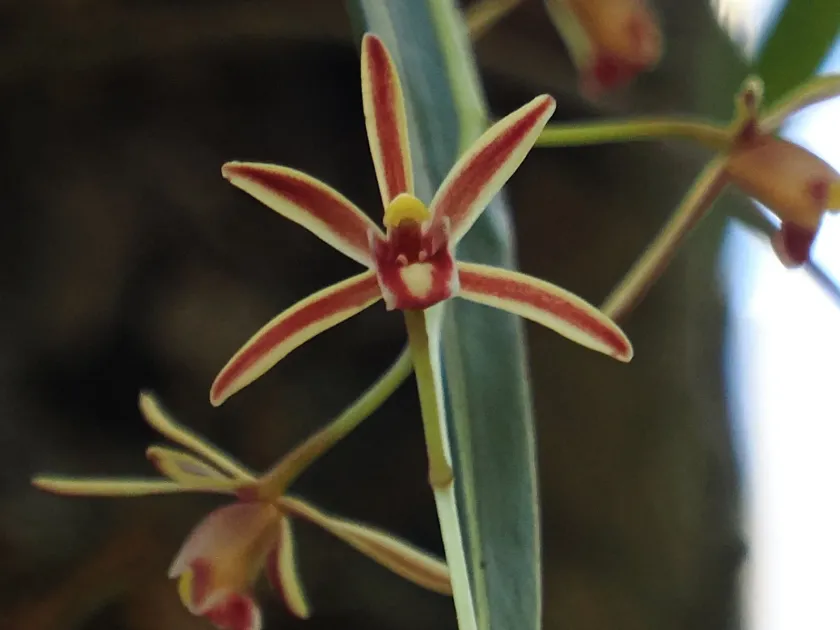
Description
Growing requirements
Cymbidium mannii is a member of the Orchidaceae family, originating from the montane forest regions of the Himalayas and Southeast Asia. This species is valued in horticulture for its distinct inflorescence and architectural growth habit.
Light management is critical for the photosynthetic efficiency of this orchid. It requires bright, indirect light levels, as direct exposure can easily scorch the leaves and degrade the plant's ornamental value.
Temperature control should prioritize a natural diurnal cycle. Providing a significant temperature drop during the night is essential to trigger the development of flower spikes in commercial greenhouse environments.
The rooting medium must offer excellent drainage and aeration. A substrate composed of pine bark, charcoal, and perlite is generally recommended to maintain the specific moisture-to-air ratio required for epiphytic root health.
Humidity and ventilation are interconnected factors for this culture. Maintaining a stable humidity level around 70% while ensuring constant air circulation prevents the development of localized microclimates that encourage disease.
Main diseases and pests
Spider mites are a common pest in indoor environments where humidity drops too low, causing yellowing and stippling on the leaves as they extract plant sap.
Scale insects present a significant threat, often colonizing the base of the leaves and pseudobulbs, which can lead to localized necrosis and general loss of plant vigor.
Root rot, primarily caused by various species of Pythium and Phytophthora, is the most common cause of failure in Cymbidium cultivation, triggered by waterlogged substrate conditions.
Aphids tend to target the tender tissues of new inflorescences and young leaves, potentially transmitting viral diseases which are difficult to cure once established.
Botrytis petal blight is a fungal infection that appears as small brown spots on flowers during periods of high humidity and poor air movement, significantly reducing marketability.