
Cymbidium macrorhizon
Cymbidium macrorhizon
Description
Growing requirements
Cymbidium macrorhizon is a remarkable species of orchid belonging to the Orchidaceae family. It is distinct for being a myco-heterotrophic plant, meaning it lacks chlorophyll and relies entirely on a symbiotic relationship with soil fungi to acquire necessary nutrients for its survival.
The native range of this species extends across various parts of Asia, including Japan, China, India, and regions of Southeast Asia. It thrives in shaded, organic-rich forest soils where specific mycorrhizal fungi are present to support its complex subterranean lifestyle.
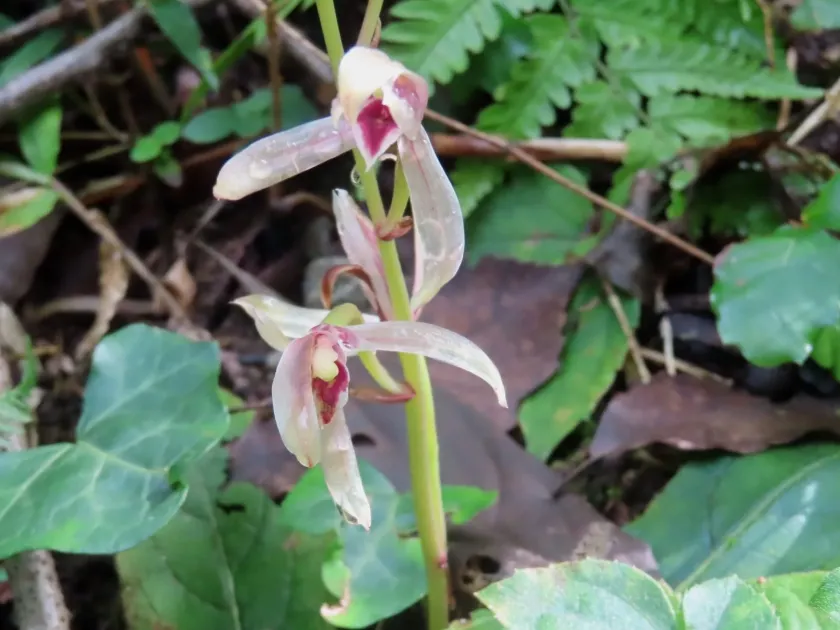
Botanically, the plant is characterized by a stout, fleshy rhizome that resides underground. The aerial portion of the plant is ephemeral, appearing above the forest floor only during the flowering season to produce a cluster of delicate, pale-colored blossoms with subtle markings.
This species cannot be classified as a typical agricultural crop, as it does not grow in conventional soil conditions or artificial substrates. Its requirement for a highly specific subterranean fungal environment makes cultivation outside of its natural habitat essentially impossible.
The primary importance of Cymbidium macrorhizon is ecological and scientific rather than commercial. It serves as a subject of interest for botanists studying plant-fungi symbioses and evolutionary biology, and it is strictly protected in many areas due to its rarity and sensitivity to habitat disturbance.