
Cymbidium lancifolium
Cymbidium lancifolium
Description
Growing requirements
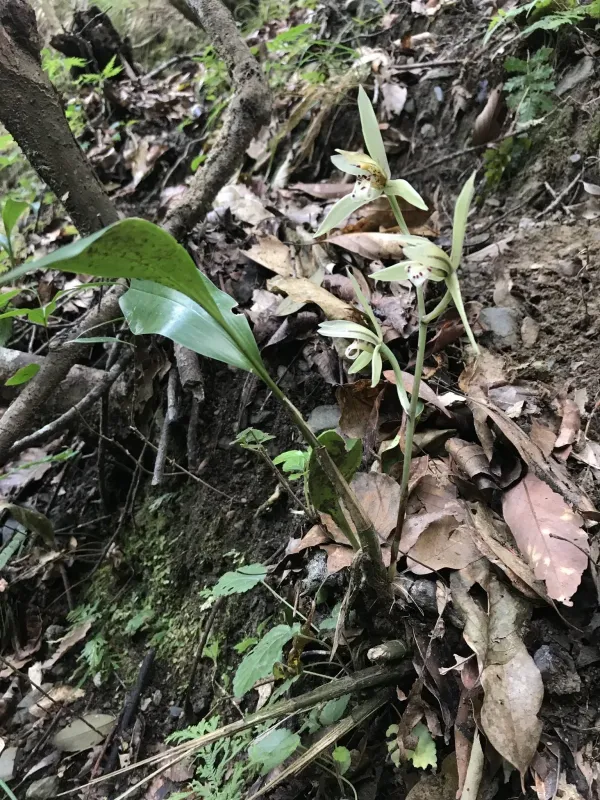
Cymbidium lancifolium is a terrestrial orchid species belonging to the Orchidaceae family. Naturally occurring in the forest regions of Asia, including China, India, and Japan, it has evolved to thrive in nutrient-rich forest litter under partial shade conditions.
Botanically, the plant is characterized by its elongated, lance-shaped leaves and distinct, elongated pseudobulbs that often remain partially buried in the substrate. Its inflorescence is erect, producing small yet charming flowers that add significant ornamental value to any orchid collection.
Cultivation requirements focus on maintaining high humidity levels, ideally around 60-70%, and a stable temperature range of 18–24°C. Proper lighting is essential; the plant requires bright but filtered light, as direct midday sun can easily scorch its foliage and reduce overall plant vitality.
Soil composition should prioritize drainage and aeration. A mix of fine fir bark, perlite, and dried moss creates the perfect environment for the roots to breathe while retaining enough moisture for healthy metabolic processes. Avoid overly dense potting soils that may trap excess water.
The primary use of this orchid is in the horticultural sector as a decorative plant for greenhouses and home collections. Due to its terrestrial growth habit and unique appearance compared to its epiphytic relatives, it is highly valued by orchid enthusiasts and specialists worldwide.
Main diseases and pests
Common pests affecting this species include spider mites, mealybugs, and scale insects. These pests often congregate on the underside of leaves or within leaf sheaths, requiring regular monitoring and timely intervention with appropriate horticultural soaps or oils to keep the population in check.
Fungal diseases are the primary threat, often caused by inadequate air circulation or waterlogged growing medium. Maintaining clean cultivation practices and ensuring the substrate dries out appropriately between irrigation cycles will significantly minimize the risk of root and stem rot.