
Cymbidium iridioides
Cymbidium iridioides
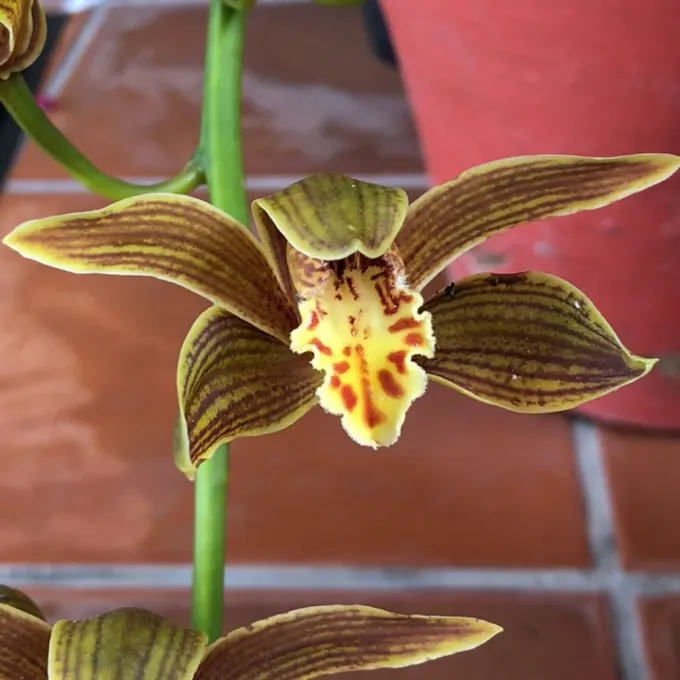
Description
Growing requirements
Cymbidium iridioides is a perennial epiphytic or lithophytic plant belonging to the Orchidaceae family. In its natural habitat, this species is found primarily in the mountainous regions of the Himalayas, India, China, and Southeast Asia at altitudes of up to 2000 meters above sea level.
To ensure successful growth, the crop requires cool growing conditions. The optimal daytime temperature ranges from +18°C to +24°C, while a nighttime drop to +10°C...+14°C is a critical factor for stimulating healthy flowering during the autumn-winter season.
The plant prefers substrates with high air permeability, consisting of conifer bark, charcoal, sphagnum moss, and perlite. The root system requires effective drainage, as stagnant moisture in the pot inevitably leads to the death of the plant.
Lighting should be bright but diffused. Direct sunlight during midday hours can cause leaf burns, so placement on east or west-facing windows is recommended, along with light shading with netting during the summer months.
Watering is performed with soft water as the top layer of the substrate dries out. Humidity levels must be maintained between 60-70%, which is achieved through regular misting or placing pots on trays filled with moist expanded clay.
Main diseases and pests
The primary pests of this crop include spider mites and scale insects, which often attack the plant when air humidity is insufficient. Regular inspection of the undersides of the leaves allows for the timely detection of pest colonies.
Fungal and bacterial rots often develop due to improper temperature control and over-watering of the substrate. If the root system is affected, it is necessary to repot the plant, remove the damaged sections, and apply fungicides.