
Cymbidium insigne
Cymbidium insigne
Description
Growing requirements
Cymbidium insigne is a remarkable orchid species within the Orchidaceae family, highly valued for its striking floral display. Originating from the mountainous regions of Southeast Asia, including Vietnam and Thailand, it thrives in cool to intermediate elevations, often found in rocky crevices or as a terrestrial plant.
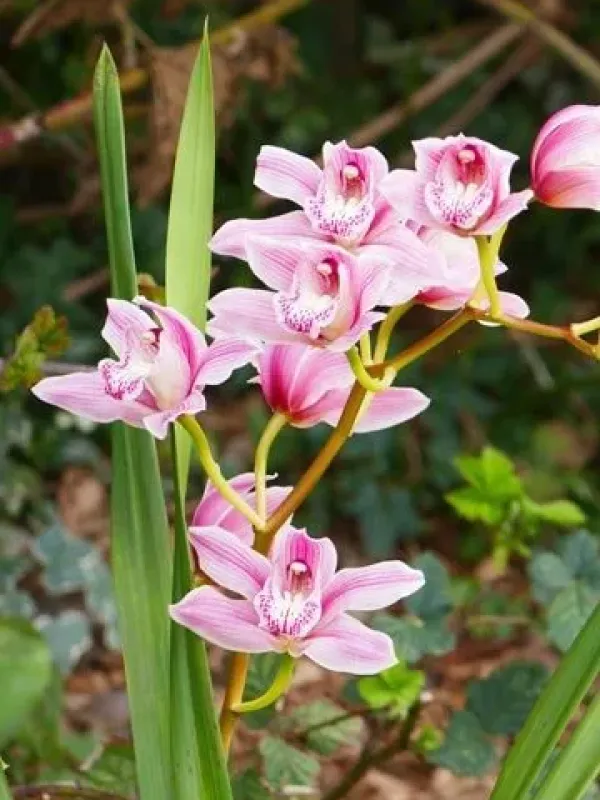
The plant features distinct pseudobulbs supporting long, arching, strap-like leaves. Its defining ornamental characteristic is the tall, elegant inflorescence, which produces numerous large, pale pink to white flowers with intricate spotted patterns on the labellum, making it a popular choice for hybridizing.
Climatic requirements for this species are specific: it demands a cool period to initiate flowering. Night temperatures should drop to approximately 12–15°C during the autumn, while daytime temperatures should remain between 20–25°C to support healthy metabolic activity and vegetative development.
Soil management for Cymbidium insigne requires a well-draining, airy medium. Standard orchid substrates consisting of medium-grade conifer bark, perlite, and a small portion of peat or moss are ideal. Proper aeration of the root zone is crucial to prevent the onset of anaerobic conditions.
Light intensity plays a pivotal role in flower production. While the species appreciates bright, filtered light, excessive exposure to direct sun can lead to leaf yellowing or necrosis. Consistency in watering and humidity levels, paired with a balanced fertilizing program, ensures vigorous plant health.
Main diseases and pests
Typical pests affecting this crop include spider mites, mealybugs, and scale insects. These pests often congregate in leaf axils or on the undersides of leaves. Regular monitoring and the application of horticultural oils or systemic insecticides are effective measures to maintain plant hygiene.
Fungal pathogens such as Botrytis can pose a significant risk, especially during the flowering stage, causing spotting on petals. Maintaining low humidity around the flowers and ensuring good air circulation are the primary strategies to mitigate the spread of fungal spores in the greenhouse.
Root and crown rot are common physiological and pathological issues resulting from over-watering or the use of decomposed media. Infected plants should be repotted immediately into fresh substrate after trimming away any dead or necrotic root tissue to prevent total plant collapse.
Bacterial soft rot is a fast-moving threat characterized by foul-smelling, mushy tissue. It is usually triggered by high humidity and insufficient airflow. Affected areas must be excised using sterile tools, followed by treatment with appropriate copper-based bactericides or fungicides.
Finally, virus infections remain a critical concern in commercial orchid production. Since there is no cure, farmers must practice rigorous sanitation, including the sterilization of tools between plants and the immediate isolation or destruction of any specimen showing suspicious mosaic patterns or stunted growth.