
Cymbidium finlaysonianum
Cymbidium finlaysonianum
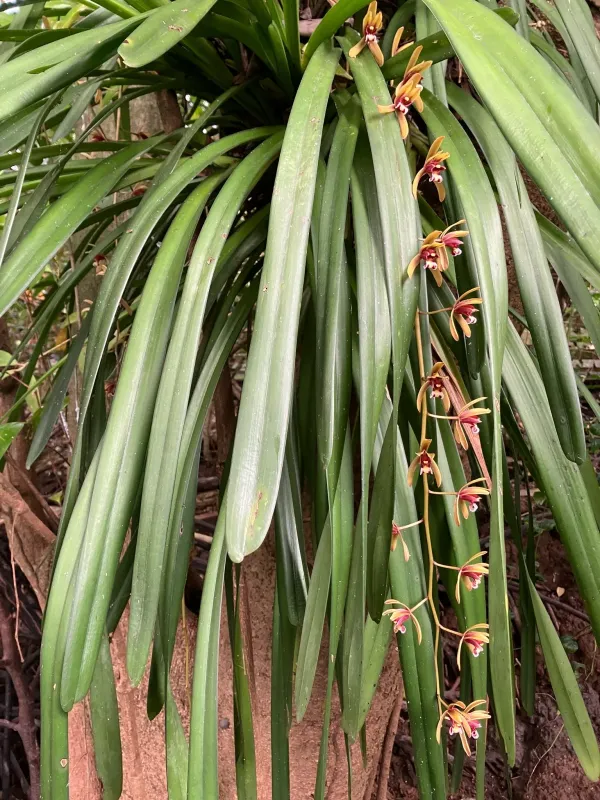
Description
Growing requirements
Cymbidium finlaysonianum is an epiphytic orchid species belonging to the Orchidaceae family. It is native to the tropical forests of Southeast Asia, including parts of Malaysia, Indonesia, and Thailand, where it naturally thrives high in the canopy of host trees.
This crop requires a tropical climate with high humidity levels, ideally maintained between 70% and 80%. The plant prefers filtered light or semi-shaded environments, as direct sunlight can easily scorch its long, leathery leaves and inhibit healthy development.
The substrate must be highly porous to mimic the natural environment. A mix of pine bark, charcoal, and sphagnum moss is recommended to ensure excellent aeration and drainage, preventing root rot which is the most common threat to epiphytic health.
Temperature management is critical for the growth cycle. The species thrives in daytime temperatures between +20°C and +30°C. Stable conditions without cold drafts are necessary, as sudden temperature fluctuations can stress the plant and abort flower development.
Fertilization should be applied sparingly during the active growing season using a balanced, orchid-specific fertilizer. During the winter dormancy phase, irrigation should be significantly reduced to allow the plant to recover and prepare for the next flowering period.
Main diseases and pests
Common pests affecting this orchid include scale insects, spider mites, and mealybugs. These sap-sucking pests can weaken the plant by feeding on the leaves and pseudobulbs, often leading to secondary infections if left untreated.
Fungal diseases, particularly root and stem rot, are frequent outcomes of overwatering or inadequate air circulation. Maintaining a strict watering schedule and ensuring that the orchid's base dries slightly between waterings is essential for disease prevention.
Bacterial infections can manifest as rapidly spreading wet lesions on the foliage. If identified, these areas must be surgically removed using sterile tools, followed by the application of copper-based fungicides or other appropriate treatments.
Viral diseases represent the most severe threat, as they are irreversible and highly contagious. Signs such as mosaic patterns or distorted growth should prompt immediate isolation and testing to protect the health of the entire collection.
Integrated pest management, including regular sanitation and environmental control, remains the best defense. By keeping the growing area clean and monitoring plants closely, growers can minimize the risk of outbreaks and ensure a productive crop.
Harvesting
The commercial utility of this orchid is primarily focused on ornamental horticulture and professional botanical collections. The plant is prized for its long, pendulous inflorescences that can reach impressive lengths, making it a standout specimen for hanging displays.
Harvesting for the floral industry involves cutting the flower spikes once the majority of buds have opened. Proper handling and keeping the stems in clean water with a light preservative can significantly extend the vase life of these exotic blooms.
Vegetative propagation is the preferred method for agricultural scaling. By dividing mature clumps during the repotting process, growers can produce new, vigorous plants, provided each segment contains enough pseudobulbs to support new growth.
Maintenance of the root system is essential. Repotting is typically performed every 3 to 4 years to refresh the substrate, as organic components decompose over time and may lose the necessary air-holding capacity required for healthy root respiration.
Cymbidium finlaysonianum is a long-lived plant that responds well to consistent care. Experienced growers maintain strict protocols for cleaning tools and handling plants to ensure the longevity of the cultivar and the quality of its exotic flower output.