
Cymbidium erythraeum
Cymbidium erythraeum
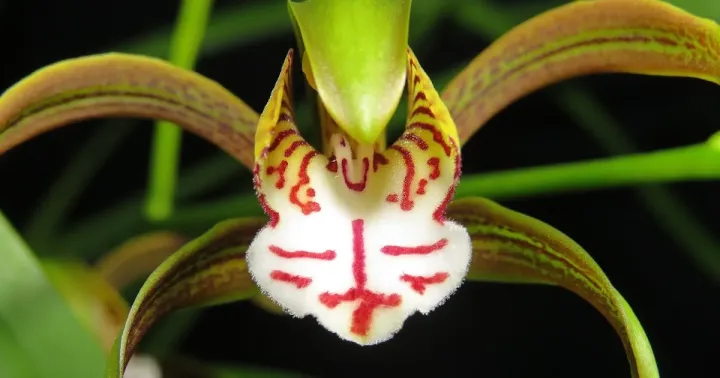
Description
Growing requirements
Cymbidium erythraeum is an elegant species within the Orchidaceae family, native to the mountainous forests of the Himalayas. Its natural habitat stretches across India, Nepal, and China, where it typically grows as an epiphyte or lithophyte at high altitudes.
The culture requires specific environmental conditions to thrive, primarily emphasizing the need for cool temperatures and significant diurnal fluctuations. Nighttime cooling is essential to stimulate successful blooming and the health of pseudobulbs.
The growing medium must offer exceptional drainage and aeration, as the root system is highly sensitive to hypoxia. A mixture of pine bark, perlite, and charcoal is standard for professional cultivation to ensure proper moisture retention without waterlogging.
Light requirements for this species are high but filtered. Intense direct sunlight should be avoided to prevent foliar scorching, while inadequate lighting will result in weak vegetative growth and failure to produce flower spikes.
Watering protocols should follow the growth cycle. During active vegetative development, the plant requires consistent moisture, while a marked reduction in irrigation is necessary during the winter dormant season to prevent rot.
Main diseases and pests
Common pests affecting this orchid include spider mites, aphids, and scale insects. These pests thrive in dry environments and can quickly sap the plant's vigor, necessitating early detection and appropriate insecticidal treatments.
Root and crown rot represent the most significant threats to the species, usually caused by stagnant water or excessively dense potting media. Proper airflow is critical to mitigating the risk of pathogen accumulation.
Bacterial brown spot and fungal infections can manifest rapidly under humid, stagnant conditions. Affected areas should be excised promptly with a sterilized tool, followed by the application of appropriate antifungal agents.
Regular sanitation of the cultivation area is a primary defense against pathogens. Tools should be disinfected between plants, and any debris from dead leaves must be removed to prevent secondary infections.
Monitoring the plant for signs of stress, such as yellowing leaves or shriveled pseudobulbs, is crucial. Early identification of health issues allows for minor adjustments in care, preventing the need for drastic restorative measures.