
Cymbidium ensifolium
Cymbidium ensifolium
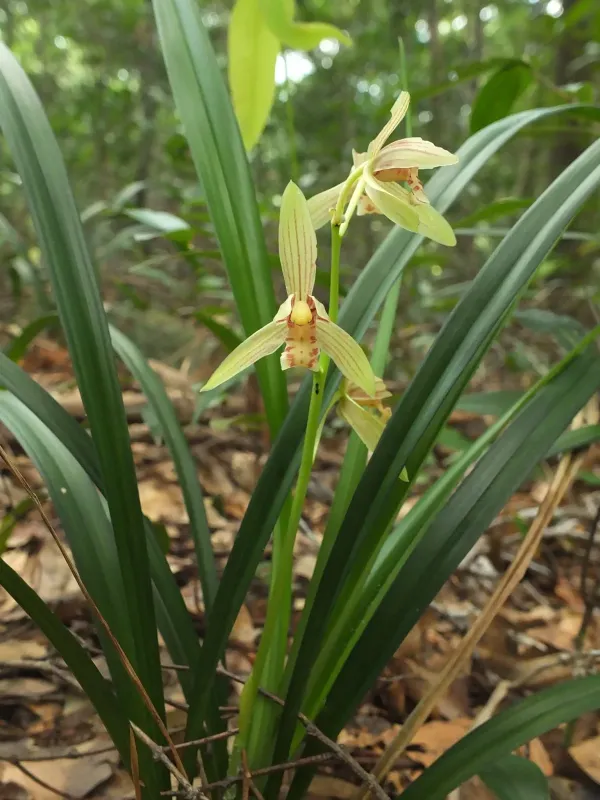
Description
Growing requirements
Cymbidium ensifolium is a species of orchid belonging to the Orchidaceae family. Native to tropical and subtropical regions of Asia, including China and Japan, it has been cultivated for centuries, particularly valued for its elegant leaves and fragrant, graceful flowers.
Botanically, it is defined by its long, thin, grass-like leaves and flower stalks that carry multiple blooms. It is primarily an epiphytic plant, which means its root system is adapted to breathe well and requires a substrate that prevents water stagnation while maintaining moisture.
Climatic requirements for this species are centered around temperature fluctuations. It requires cooler nights, especially during the autumn season, to trigger the development of flower spikes. Stable, moderate temperatures are preferred for vegetative growth, typically ranging from 18 to 25 degrees Celsius.
The soil or growing medium is critical for health. A mixture of pine bark, perlite, charcoal, and sphagnum moss is commonly used. This ensures the medium remains airy and slightly acidic, mimicking the natural environment of tropical forest branches where these plants grow.
Lighting should be bright but indirect to prevent leaf scorching. In professional greenhouse settings, light levels are monitored closely, as the balance between light and temperature is the primary driver of the plant's metabolic processes and seasonal flowering cycle.
Main diseases and pests
Spider mites are common pests that thrive in dry conditions. They damage the leaves by piercing them and sucking the sap, leading to stunted growth and a decline in the plant's overall health and aesthetic appeal.
Scale insects present a significant threat by latching onto stems and leaves. If not managed promptly, they can multiply rapidly, necessitating the use of horticultural oils or systemic insecticides to protect the crop.
Fungal diseases, including leaf spot and rot, are frequent issues in environments with high humidity and poor ventilation. Effective management includes improving airflow and reducing overhead watering to ensure leaves stay dry.
Root rot, often caused by overwatering or poor drainage, is the most common cause of mortality in greenhouse-grown orchids. Ensuring the potting medium is well-drained and allowing it to dry slightly between waterings is essential for root health.
Viral pathogens remain a concern for commercial growers. Strict sanitation protocols, including the sterilization of tools and the isolation of infected plants, are necessary to prevent the spread of these incurable diseases across the nursery.