
Cymbidium elegans
Cymbidium elegans
Description
Growing requirements
Cymbidium elegans is a fascinating species of orchid belonging to the Orchidaceae family. Native to the Himalayan region, including parts of India, China, and Nepal, this species typically grows at high altitudes, which dictates its preference for cool environments and high air humidity levels throughout the year.
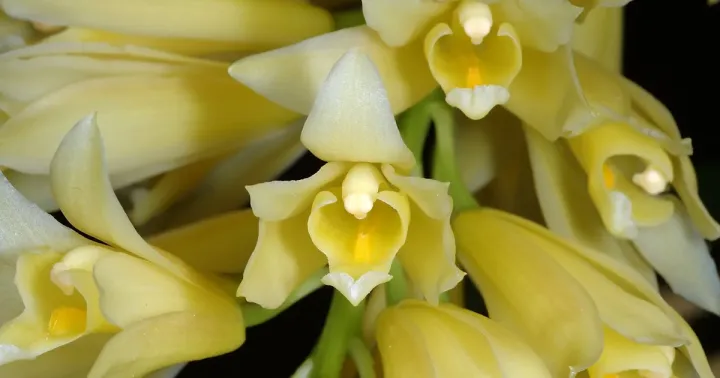
Botanically, this plant is characterized by its semi-pendulous racemes that bear numerous cream or pale yellow flowers. Its foliage consists of long, narrow, dark green leaves that emerge from pseudobulbs, forming a dense and aesthetically pleasing clump suitable for controlled greenhouse environments.
Successful cultivation requires a specific temperature cycle. Unlike tropical orchids, Cymbidium elegans thrives in cool to moderate temperatures, preferably between 15°C and 22°C. During the winter, a drop to 10°C is often necessary to trigger the production of new flower spikes for the next season.
The substrate must be highly porous to ensure proper aeration for the root system. A mixture of fine bark, perlite, and charcoal is widely recommended. It is essential to avoid dense potting mixes that retain moisture for too long, as this can lead to root asphyxiation and eventual plant death.
Light intensity plays a crucial role in the development of Cymbidium elegans. The plant requires bright, filtered light to maintain health. While it can tolerate some morning sun, midday sun should be avoided to prevent thermal stress and leaf bleaching, ensuring the plant remains vigorous.
Main diseases and pests
The most common pests affecting this orchid species are spider mites, aphids, and scale insects. These pests often thrive in environments with low humidity levels or where proper plant hygiene is neglected. Early detection through regular monitoring is the most effective way to prevent severe infestations.
Fungal and bacterial rots remain the primary threats to plant health, often caused by stagnant water in the leaf axils or a waterlogged substrate. To manage these threats, it is critical to ensure proper air circulation and to use sterilized tools when pruning, maintaining a clean growing area.