
Cymbidium devonianum
Cymbidium devonianum
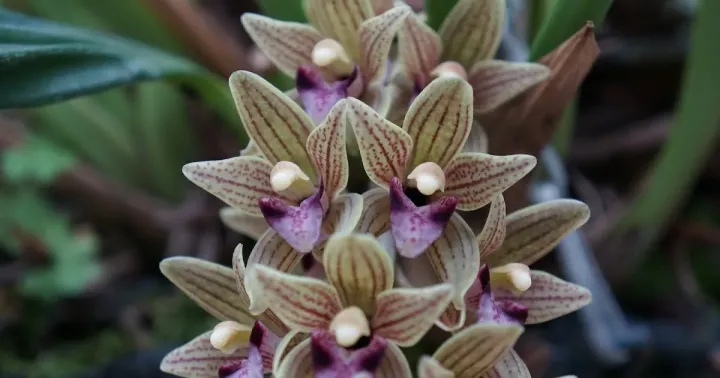
Description
Growing requirements
Cymbidium devonianum is a distinct species within the Orchidaceae family, known for its unique growth habit and pendulous inflorescences. Native to the Himalayan foothills, it inhabits regions across Northern India, Nepal, Bhutan, and Southeast Asia. As an epiphyte or lithophyte, it typically thrives in shady, humid forest environments at elevations ranging from 1000 to 2000 meters.
Successful cultivation requires a stable temperature regime that mimics its mountain origin. Daytime temperatures should be kept between +20°C and +24°C, while nighttime temperatures must drop to +12°C to +15°C. This temperature differential is a vital biological trigger for the development of inflorescences and general plant vigor.
The substrate for Cymbidium devonianum must provide excellent drainage and aeration. A professional potting mix usually consists of fine-grade bark, perlite, and charcoal, which helps prevent root rot by ensuring oxygen reaches the root system. Compacted soil is detrimental to this species, so replacing the substrate every two years is a standard practice in commercial orchid production.
High humidity levels, typically between 60% and 75%, are essential for maintaining the health of the plant. In greenhouses, automated fogging or misting systems are preferred to keep the air moist without oversaturating the growing medium. Lighting should be bright but indirect, as intense direct sun can cause irreversible scorch marks on the leaves.
Nutritional needs are managed through regular, diluted fertilizer applications during the active growing season. It is crucial to use a balanced orchid-specific fertilizer with low salt content to avoid damaging the delicate roots. Water should be of high quality, ideally filtered or rain-sourced, to prevent mineral buildup within the pot over time.
Main diseases and pests
Scale insects and mealybugs are the most persistent pests for Cymbidium devonianum. These insects tend to hide in the axils of the leaves and around the pseudobulbs, draining nutrients from the plant. Manual removal combined with systemic insecticidal treatments is the most effective management strategy for professional growers.
Spider mites are common threats in low-humidity environments. They cause stippling and yellowing of the leaves, which significantly reduces the plant's aesthetic and commercial value. Maintaining proper ventilation and humidity levels is the primary preventative measure against these arachnids.
Fungal pathogens, particularly root and stem rots, represent the most severe threat to the plant's survival. These infections usually develop when the potting medium becomes waterlogged or temperatures drop too low for the moisture levels present. Proper drainage and drying cycles are essential for preventing rot-related losses.
Botrytis cinerea can cause spotted flowers, particularly during the blooming season. This fungus thrives in cool, stagnant air, emphasizing the need for active airflow management in cultivation areas. Using fans to ensure air circulation can drastically reduce the incidence of fungal issues on the inflorescences.
Viruses such as the Cymbidium Mosaic Virus (CymMV) present a critical danger to orchid collections. Since there is no cure, strict biosecurity and sterilization of tools are necessary. Any suspected plants should be isolated immediately to protect the rest of the crop from catastrophic losses.