
Cymbidium cyperifolium
Cymbidium cyperifolium
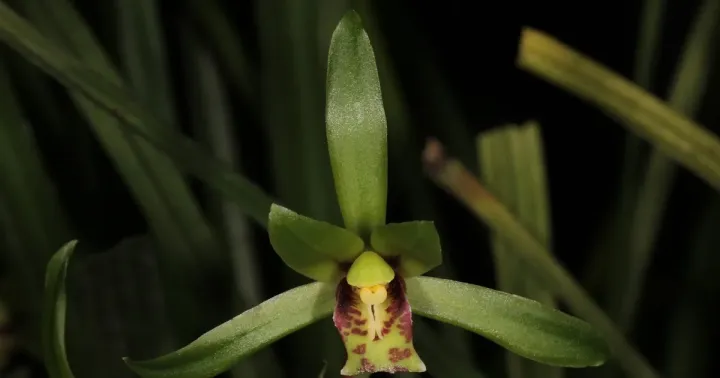
Description
Growing requirements
Cymbidium cyperifolium is a distinct species within the Orchidaceae family, valued for its grass-like foliage and elegant floral sprays. Native to the mountainous regions of Asia, this orchid species thrives in cool, humid environments characterized by filtered sunlight and high atmospheric moisture.
The plant exhibits a sympodial growth habit, featuring pseudobulbs that serve as storage organs for water and nutrients. Its leaves are thin and linear, resembling the sedge plant, which dictates the specific aesthetic and horticultural requirements of this rare orchid variety.
Successful cultivation requires a high-quality, free-draining substrate typically composed of pine bark, perlite, and sphagnum moss. This composition mimics the natural epiphytic or lithophytic habitat, preventing root rot while ensuring adequate moisture retention for the plant's health.
Temperature management is critical for the development of flower spikes; a significant diurnal temperature drop is necessary to trigger the blooming process. Maintaining daytime temperatures around 20–24 degrees Celsius and nighttime temperatures below 16 degrees Celsius is highly recommended.
Regular fertilization with a diluted, balanced orchid fertilizer during the active growing season is essential. It is important to flush the substrate with clean water occasionally to prevent the accumulation of mineral salts, which can negatively affect the sensitive root system.
Main diseases and pests
The primary threats to the health of Cymbidium cyperifolium include root and crown rot, which often occur due to poor drainage or overwatering. Proper ventilation and airflow are the most effective preventive measures to discourage the growth of pathogenic fungi and bacteria.
Insect pests, such as aphids and scale insects, frequently target the succulent parts of the orchid. Using horticultural oils or systemic insecticides helps in managing these infestations, provided the treatment is applied consistently during the early stages of the pest cycle.