
Whipple cholla
Cylindropuntia whipplei
Description
Growing requirements
Whipple cholla (Cylindropuntia whipplei) is a resilient succulent belonging to the Cactaceae family, native to the arid plateaus of the Southwestern United States. It is a hardy, shrub-forming cactus adapted to survive in harsh environmental conditions.
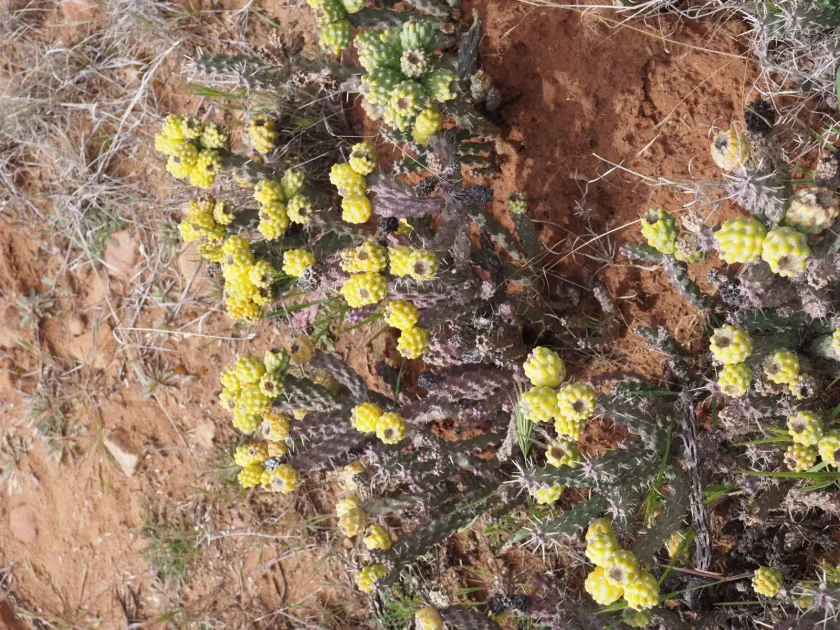
The plant features distinct cylindrical stems and a complex arrangement of sharp spines, which provide structural integrity and defense. It grows in a branched, bushy habit, frequently reaching heights of up to one meter in its natural habitat.
Cultivation requires well-draining, rocky, or sandy soil to prevent moisture accumulation near the root system. As a xerophytic plant, it thrives in environments with high levels of direct sunlight and can endure extreme temperature fluctuations between day and night.
In terms of agricultural management, the species requires minimal irrigation once established. Overwatering is the most common cause of failure in cultivation, as it leads to root rot and systemic tissue breakdown.
The species is primarily utilized for xeriscaping and sustainable landscape design in arid climates. Its unique aesthetic qualities and low maintenance requirements make it a popular choice for rock gardens and naturalistic desert-style plantings.
Main diseases and pests
The primary threats to Whipple cholla are fungal pathogens that thrive in humid and poorly aerated conditions. Maintaining a strict dry cycle is essential to keeping the plant disease-free throughout the year.
Pests such as mealybugs and spider mites are common in greenhouse environments where natural predators are absent. These pests can be effectively managed with targeted insecticidal soaps or systemic treatments.
Root nematodes may affect plants grown in unsterilized substrate, leading to stunted growth. To mitigate this risk, it is recommended to heat-treat soil or use inorganic growing media for potting.
Mechanical damage to the succulent tissue serves as an entry point for bacteria and fungi. Always use sharp, disinfected tools when pruning or propagating to ensure clean cuts that heal rapidly.
Environmental stress caused by prolonged cloud cover or excessive rainfall can weaken the plant's immunity. Careful site selection is the best preventative strategy for maintaining long-term health in outdoor settings.