
Cylindropuntia fulgida
Cylindropuntia fulgida
Description
Growing requirements
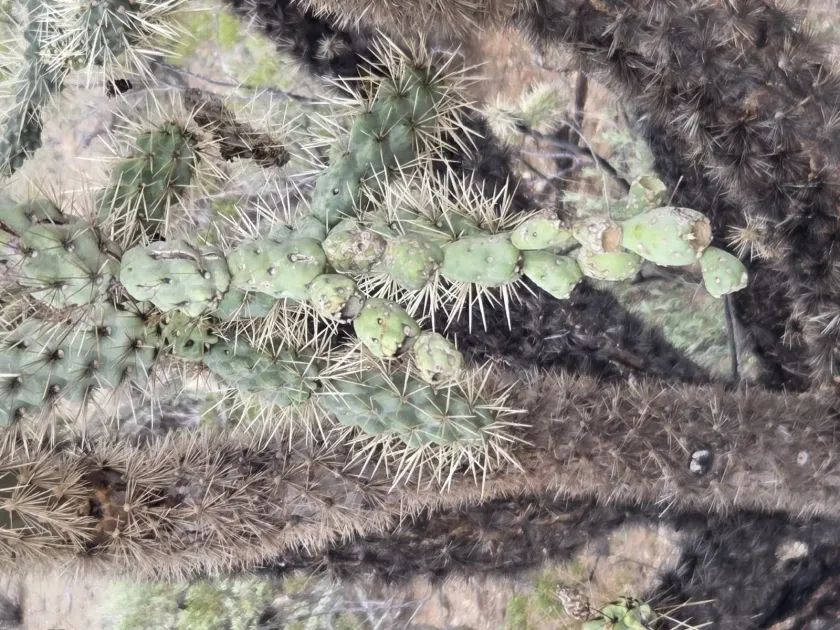
Cylindropuntia fulgida is a member of the Cactaceae family, commonly known as the jumping cholla due to its segmented branches that detach easily upon contact.
Originating from the arid landscapes of the southwestern United States and Mexico, this species is highly specialized for extreme heat and limited rainfall.
Soil requirements for this cactus focus primarily on drainage. A mix comprising coarse sand, perlite, and a small portion of mineral-based soil is optimal for root health.
Light intensity is critical for maintaining the plant's structural integrity. Exposure to full, direct sunlight is essential for healthy growth and the development of dense spines.
Cultivation requires careful monitoring of water levels. Over-watering is the most common cause of failure in agricultural settings, as the roots are highly susceptible to rot in anaerobic conditions.
Main diseases and pests
Common pests affecting this species include mealybugs and spider mites, which can thrive if the cactus is kept in poorly ventilated, enclosed spaces.
Fungal pathogens causing stem and root rot represent the most significant threat during periods of excessive humidity or sudden temperature drops.
Integrated pest management strategies suggest using biological controls or targeted applications of systemic insecticides to manage infestation without damaging the plant.
Regular sanitation of the growing environment, including the removal of fallen segments and dead debris, is vital to prevent the spread of soil-borne diseases.
The plant's spines provide a physical defense against many herbivores, yet they also hinder easy manual inspection, necessitating the use of specialized protective tools.