
Cylindropuntia ramosissima
Cylindropuntia ramosissima
Description
Growing requirements
Cylindropuntia ramosissima is a unique perennial succulent belonging to the Cactaceae family. Originally native to the arid desert landscapes of the southwestern United States and northwestern Mexico, it is highly adapted to extreme heat and drought.
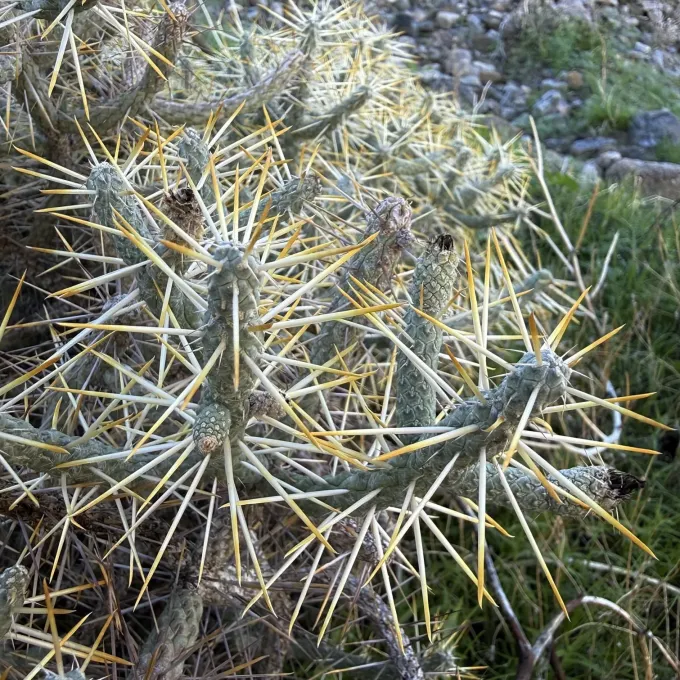
The plant is characterized by its highly branched, cylindrical stem segments. It exhibits a distinct woody structure as it matures, often growing into a shrub-like form that can reach up to one meter in height, making it a prominent feature in its habitat.
Cultivation of this species requires a full-sun environment with high light intensity. Any shade will negatively impact the plant's structural integrity, causing etiolated, weak growth that makes the cactus susceptible to diseases.
The substrate must be extremely well-draining, consisting primarily of mineral components such as coarse sand, volcanic rock, or gravel. Proper drainage is essential to mimic the arid soil conditions required to prevent root suffocation and fungal infections.
In landscape architecture, this species is utilized primarily in xeriscaping projects. It is favored for its architectural silhouette and its ability to withstand low-maintenance, high-heat environments where more demanding ornamental plants would fail.
Main diseases and pests
The primary threat to Cylindropuntia ramosissima in cultivation is root rot caused by improper watering techniques. Excess moisture in the soil, combined with low light or poor air circulation, inevitably leads to the decline of the root system.
Pest pressures primarily come from sucking insects, most notably spider mites and mealybugs. These pests exploit the plant's surface, extracting sap and leaving behind lesions that can invite secondary bacterial infections.
Root mealybugs can also become a significant issue, as they are often difficult to detect until the plant starts showing visible signs of stunted growth or dehydration despite adequate irrigation.
Integrated pest management strategies should focus on preventive measures, including maintaining proper plant spacing for airflow and isolating new specimens to prevent the accidental introduction of pests into a collection.
When infestation occurs, specific horticultural oils or systemic insecticides may be used, though care must be taken to ensure the dosage is appropriate for sensitive desert cacti to avoid chemical burning of the epidermis.