
Cylindropuntia leptocaulis
Cylindropuntia leptocaulis
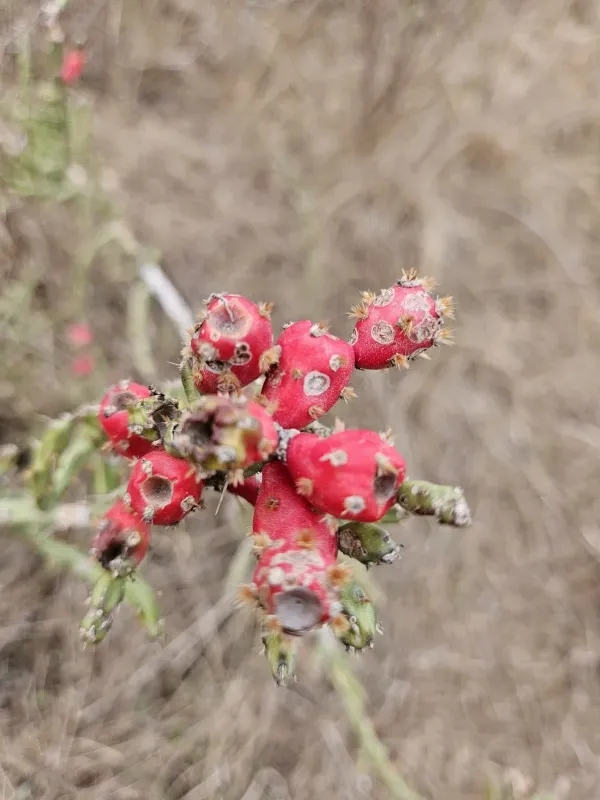
Description
Growing requirements
Cylindropuntia leptocaulis is a member of the Cactaceae family, commonly recognized for its slender, pencil-like stem segments. This hardy cactus species can develop into a dense, multi-branched shrub, often used for protective hedging in its native environments.
The plant originates from the arid regions of the southwestern United States and northern Mexico. It has evolved to thrive in harsh desert conditions, characterized by extremely high temperatures during the day and significant cooling at night.
For successful cultivation, the soil must provide excellent drainage. A gritty, mineral-based succulent mix is required, as this species is highly susceptible to root rot if left in standing water. Sand and gravel are essential components for a healthy substrate.
Light requirements are very high, necessitating full sun exposure for several hours daily. In indoor settings, placing the plant in a south-facing window or using supplemental LED grow lights is necessary to prevent etiolation and maintain structural integrity.
While primarily cultivated as an ornamental, this species serves ecological functions in its native range by providing cover for small desert wildlife. Its remarkable resilience makes it an interesting subject for xeriscaping in climate-appropriate regions.
Main diseases and pests
Root and stem rot caused by overwatering are the most frequent health issues encountered. To mitigate this risk, it is vital to allow the soil to dry out completely between irrigation cycles and to maintain proper ventilation around the plant's stems.
Common pests include mealybugs and spider mites, which can proliferate in the small gaps between the cactus segments. Regular inspections and the use of insecticidal soap or specific acaricides are recommended to manage these infestations effectively.