
Copiapoa taltalensis
Copiapoa taltalensis
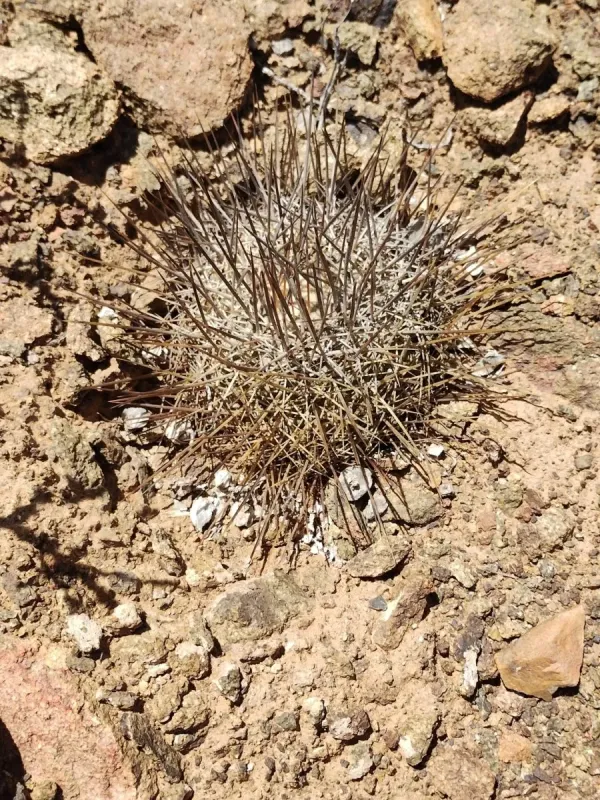
Description
Sowing dates
The sowing of Copiapoa taltalensis seeds is best performed in the spring when daylight hours begin to increase. A sterile, highly porous mineral substrate is essential to ensure proper drainage and prevent damping-off diseases during germination.
To successfully germinate seeds, containers should be covered with glass or plastic to maintain high humidity levels. An ambient temperature of 22–25 degrees Celsius is considered optimal for achieving a high germination rate in this species.
These cacti grow exceptionally slowly, which is a hallmark of the Copiapoa genus. Seedlings require delicate care and stable conditions for the first year of their development to prevent dehydration or rot.
Pricking out the seedlings should be done only when the young cacti are sufficiently established and have developed a robust root system. Frequent disturbance of the roots should be avoided to prevent plant stress.
It is vital to use only fresh seeds, as their viability decreases rapidly over time. For the best results in cultivation, enthusiasts recommend using seeds harvested during the most recent growing season.
Growing requirements
Copiapoa taltalensis belongs to the Cactaceae family and is native to the hyper-arid coastal deserts of Northern Chile. In its natural habitat, it survives primarily on moisture collected from dense sea fogs.
In cultivation, this plant requires a very well-draining soil mix, typically consisting of pumice, coarse sand, and a small amount of potting soil. Good drainage is paramount to prevent root rot, which is the most common cause of plant failure.
This species is extremely photophilous and requires maximum sunlight throughout the year. Placing the cactus on a south-facing windowsill is ideal to ensure it receives sufficient light to maintain its compact, healthy appearance.
Watering should be managed carefully, ensuring the substrate is completely dry between irrigation cycles. During the winter, the plant enters a period of dormancy and should be kept almost completely dry and in a cooler environment.
Proper air circulation is necessary to simulate the natural windy conditions of its native habitat. Good ventilation helps prevent mold growth and keeps the epidermis of the cactus healthy and resistant to diseases.
Main diseases and pests
The primary threat to Copiapoa taltalensis in a domestic environment is root rot caused by stagnant water in the soil. Once the roots are compromised, it is often difficult to save the plant, highlighting the importance of strict moisture control.
Mealybugs are the most common pests, often hiding in the ribs of the plant. They extract sap, leading to weakened growth and potential infection by secondary fungi if left untreated for an extended period.
Red spider mites can be problematic, especially in environments with very low humidity and stagnant air. They leave characteristic scarring on the cactus skin, which affects both the aesthetic appeal and the health of the plant.
Effective management includes regular visual inspections and the application of systemic insecticides when necessary. Maintaining optimal environmental conditions remains the most effective prophylactic measure against all potential threats.
- Root rot (overwatering)
- Mealybugs (sap-sucking)
- Spider mites (low humidity)
- Etiolation (insufficient light)
- Sunburn (sudden exposure changes)