
Copiapoa gigantea
Copiapoa gigantea
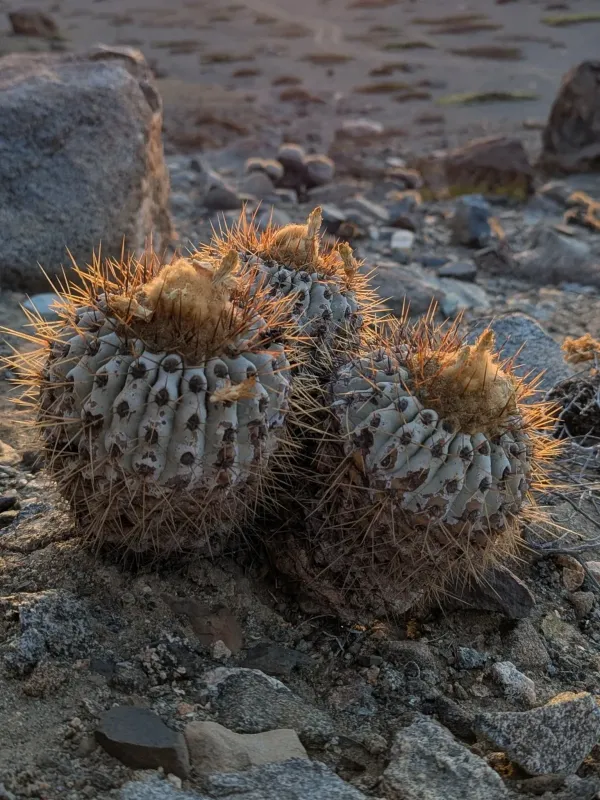
Description
Growing requirements
Copiapoa gigantea is a prestigious member of the Cactaceae family, native to the hyper-arid coastal regions of Chile's Atacama Desert. It is a highly specialized xerophyte that survives primarily on fog moisture, which explains its unique pale, waxy epidermis.
In cultivation, this species requires intense, direct sunlight for the majority of the day. Without sufficient light intensity, the plant loses its characteristic dense spination and white-grey coloration, becoming susceptible to etiolation and structural weakness.
The planting substrate must be strictly inorganic and highly porous to prevent root rot. A mixture consisting of 70% crushed rock or gravel and 30% coarse sand is recommended to ensure rapid drainage, mimicking the plant's natural habitat.
Temperature management is critical: the plant requires a warm growing season followed by a strictly dry, cool winter dormancy period. Watering should only occur when temperatures are consistently high, and the soil is completely dry to the touch.
Its primary agricultural use is within specialized horticulture and botanical collections. Due to its slow growth rate and high mortality risk when improperly managed, Copiapoa gigantea is considered a challenging but highly rewarding species for enthusiasts.
Main diseases and pests
The most common threat to Copiapoa gigantea is fungal infection caused by waterlogged soil. Root rot can manifest rapidly; therefore, checking the soil moisture levels before every irrigation cycle is mandatory to preserve the root system.
Mealybugs represent the most significant pest threat, often colonizing the crevices between the ribs of the cactus. Their presence can severely weaken the plant and introduce secondary infections through the wounds they create.
Spider mites are another common challenge, especially in environments with low humidity. They can damage the delicate surface layer of the cactus, which may lead to permanent scarring and increased vulnerability to pathogens.
Poor ventilation is a critical environmental threat that facilitates the growth of mold and mildew on the plant's surface. Maintaining a consistent airflow around the cactus is essential for keeping the epidermis healthy and dry.
Incorrect nutrient application poses a risk to the plant's morphology. Excessive nitrogen fertilizer promotes unnatural, rapid growth that compromises the cactus's physical integrity and lowers its overall resistance to environmental stress.