
Copiapoa decorticans
Copiapoa decorticans
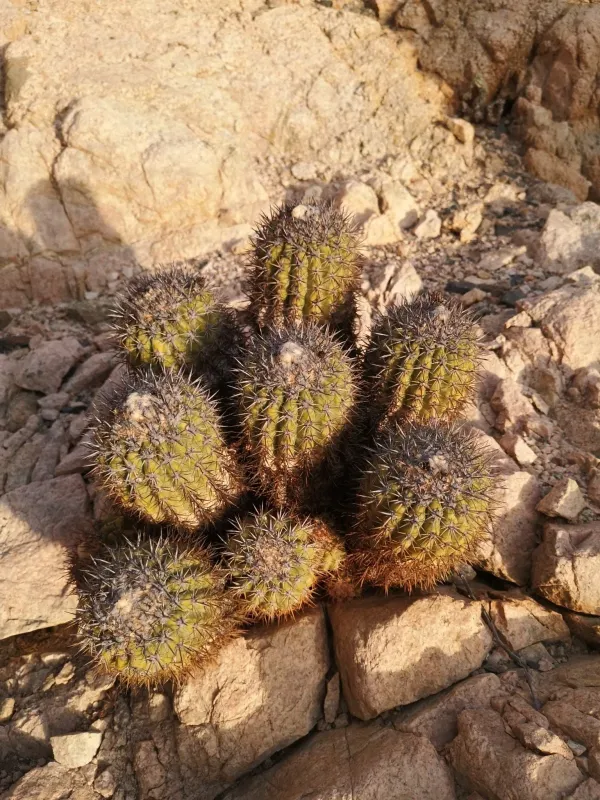
Description
Growing requirements
Copiapoa decorticans is a slow-growing species of the Cactaceae family, endemic to the coastal regions of the Atacama Desert in Chile. This cactus has evolved to thrive in environments where coastal fog provides the primary source of moisture.
The plant is characterized by its spherical to slightly elongated stem, which features a prominent white waxy coating. This natural armor serves as a critical defense against the intense solar radiation of the Atacama region.
In cultivation, providing maximum sunlight is essential for maintaining the plant's health and aesthetic properties. Without sufficient light, the plant will lose its compact form and the waxy protective layer will begin to degrade.
The soil substrate must be highly porous and mineral-heavy to ensure rapid drainage. A mix of coarse sand, crushed gravel, and small amounts of pumice is recommended to replicate the rocky soil of its native habitat.
Temperature management during the dormant winter period is crucial for this species. Keeping the plant in a cool, dry environment (around 10-12°C) during winter dormancy significantly promotes better growth and flowering in the following season.
Main diseases and pests
Excessive moisture is the primary threat to the health of Copiapoa decorticans. Stagnant water around the root system can cause rapid rot, which is often irreversible. Ensuring thorough drying between watering intervals is mandatory.
Mealybugs are the most common pest that can infest the crevices between the cactus ribs. These insects are hard to detect early, so regular monitoring of the plant's surface is necessary to catch infestations before they spread.
Spider mites are another common challenge, especially in environments with poor airflow. These pests damage the skin of the cactus, leaving unsightly scars that can become entry points for secondary bacterial or fungal infections.
Fungal infections can occur if humidity levels are kept too high without adequate ventilation. Ensuring constant airflow around the plant helps keep the stems dry and reduces the likelihood of mold or rot development.
Care should be taken during any handling, as damage to the skin can lead to permanent scarring. When treating for pests, avoid using heavy oils or abrasive chemicals that might compromise the protective wax coating of the stem.