
Copiapoa coquimbana
Copiapoa coquimbana
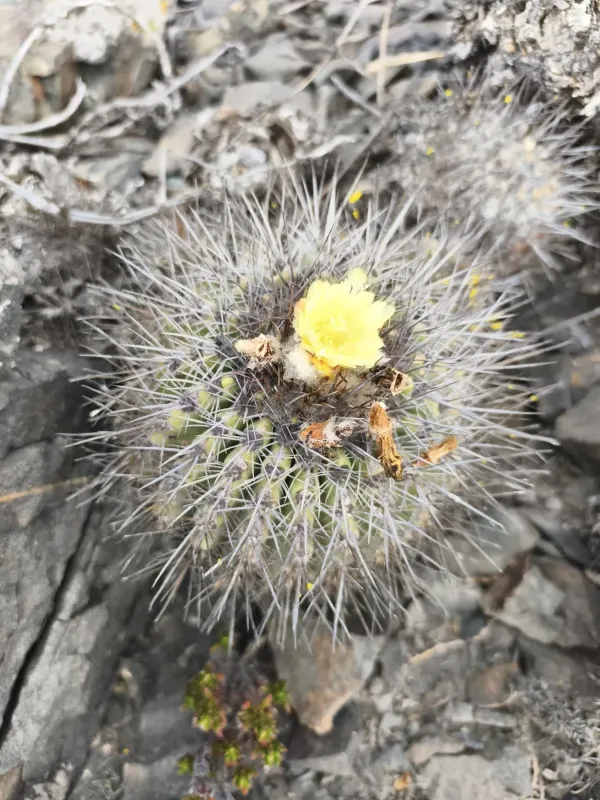
Description
Sowing dates
Propagating Copiapoa coquimbana from seeds is a delicate process that requires high-quality, fresh seeds and a controlled greenhouse environment.
The sowing process is best initiated in early spring, ensuring that the seedlings receive maximum natural light during their crucial early development stages.
The sowing medium should be highly inorganic, consisting of fine gravel, pumice, and minimal amounts of organic matter to prevent damping-off diseases.
Containers must be kept covered with a transparent lid to maintain consistent humidity until germination is complete, after which ventilation should be increased.
Keeping the seed trays in a warm, bright area—but away from harsh afternoon sun—will maximize the success rate of young cactus germination.
Growing requirements
As a member of the Cactaceae family, this species originates from the arid coastal regions of Chile, where it thrives in extreme desert conditions.
To cultivate this cactus successfully, one must provide intense sunlight, as lack of light often leads to etiolation and a loss of natural form.
The soil requirement is strictly focused on drainage; a mixture containing sharp sand, crushed rock, and volcanic grit is ideal for maintaining root health.
Watering should be performed cautiously, allowing the substrate to dry out completely between sessions to mimic the sporadic rainfall patterns of its native habitat.
During the winter rest phase, the plants should be kept dry and cool, which is essential for triggering the necessary dormancy and subsequent blooming periods.
Main diseases and pests
The most significant threat to the survival of Copiapoa coquimbana is overwatering, which rapidly leads to rot in the root collar and core of the plant.
Pest infestations, particularly by mealybugs, can be problematic as these insects thrive in hidden crevices among the cactus ribs and spines.
Spider mites are another common challenge, especially in indoor environments where low humidity levels and poor airflow create an ideal breeding ground.
Regular maintenance, including careful inspection of the plant body, is necessary to catch and treat any infestations before they cause significant structural damage.
Using specialized horticultural oils or systemic pesticides is recommended for pest control, provided that the applications are done in moderation and safe conditions.