
Copiapoa esmeraldana
Copiapoa esmeraldana
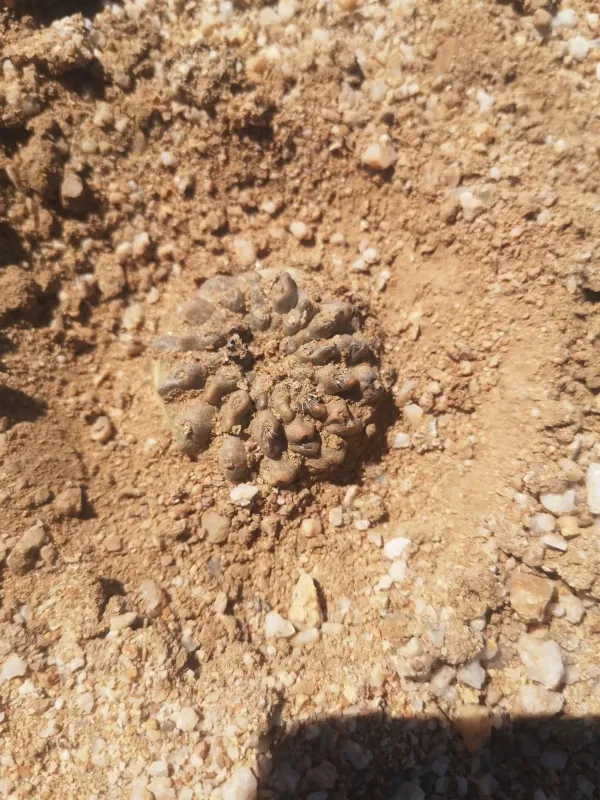
Description
Growing requirements
Copiapoa esmeraldana is a species of the Cactaceae family, native to the arid coastal regions of the Atacama Desert in Chile. These plants are highly specialized to survive in extreme habitats characterized by frequent sea fogs and minimal rainfall.
Cultivation requires abundant sunlight throughout the year. Providing high-intensity light is crucial to maintain the plant's characteristic compact, globular shape and to ensure that the epidermis retains its healthy, natural color.
The substrate must be highly inorganic and porous. An ideal growing medium consists of a mixture of coarse grit, pumice, and minimal organic matter to prevent water accumulation, which is fatal for these cacti.
Temperature management is vital, with a requirement for warm, well-ventilated summers and a distinct cool, dry dormancy period in winter. Keeping the plants between 8 and 12 degrees Celsius during winter helps initiate proper growth cycles.
Watering should be approached with extreme caution, mimicking the infrequent moisture available in their native habitat. Always ensure the substrate is completely dry before applying water, as root respiration is easily disrupted by moisture in cold conditions.
Main diseases and pests
Root rot is the most significant threat to Copiapoa esmeraldana, primarily caused by overwatering or poorly draining soil mixes. Constant monitoring of moisture levels in the pot is the primary defense against this destructive condition.
Mealybugs are common pests that colonize the areoles of the cactus. These sap-sucking insects can cause severe damage if left untreated, making regular inspection of the crown and spines essential for early intervention.
Spider mites can become a problem in environments with low humidity and high temperatures. They weaken the plant by feeding on the surface cells of the epidermis, often leading to unsightly scarring that never fully disappears.
Fungal infections can occur if airflow is poor, especially after watering. Improving ventilation around the plants and avoiding overhead irrigation are effective preventive measures against mold and fungal growth on the stem.
Bacterial pathogens may enter through small cracks or wounds on the cactus body. It is important to handle the plants with care and use sanitized tools during repotting to prevent the introduction of pathogens that can lead to rapid decay.