
Copiapoa cinerea
Copiapoa cinerea
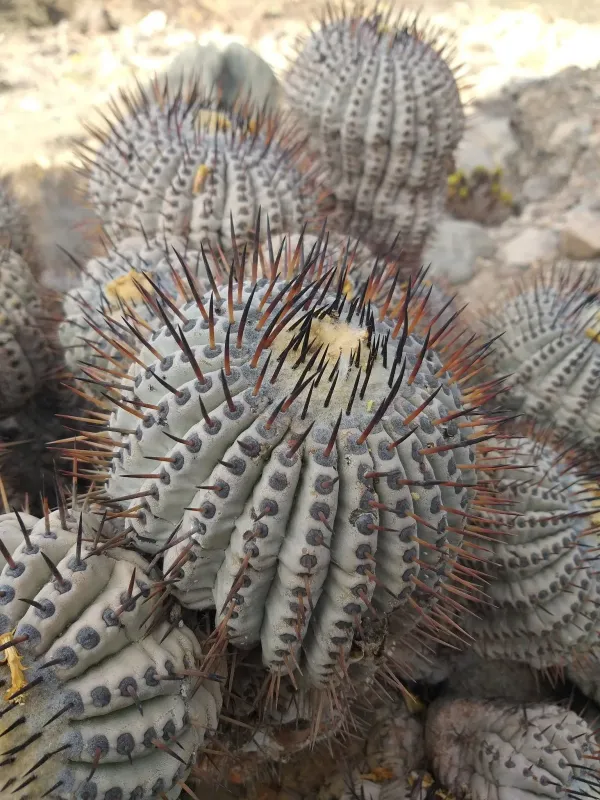
Description
Sowing dates
Sowing seeds of Copiapoa cinerea should be performed in early spring to take advantage of increasing daylight hours. Using a sterile, well-draining mineral substrate is essential to prevent seedling damping-off during the germination phase.
Seeds are scattered on the surface and lightly covered with fine grit. Keeping the container covered with a transparent lid or plastic film helps maintain the high humidity levels required for successful germination in the first weeks.
The optimal temperature range for germination is between 22 and 26 degrees Celsius. Once the seeds begin to sprout, it is crucial to gradually introduce fresh air by increasing the ventilation time of the seed tray each day.
Seedlings develop very slowly, which is characteristic of the species. They should be kept in a bright location, but protected from harsh, direct sunlight during their first months to prevent the delicate skin from burning.
Pricking out the seedlings into individual small pots should only be attempted when they have grown sufficiently large and are robust enough to handle the transition. Proper drainage in the pots is a non-negotiable requirement from this early stage.
Growing requirements
Copiapoa cinerea belongs to the Cactaceae family and is native to the coastal regions of the Atacama Desert in Chile. It is a highly specialized species adapted to survive in extremely arid conditions, relying largely on coastal fog for moisture.
Full sun exposure is a fundamental requirement for this cactus. Lack of light results in etiolation, where the plant loses its natural, compact shape and the beautiful white waxy coating that protects it from intense ultraviolet radiation.
The soil must be inorganic and gritty, mirroring the volcanic environment of its natural habitat. A mixture of pumice, lava rock, and coarse sand provides the necessary aeration and prevents water from accumulating around the roots.
During the growing season, temperatures should remain warm. However, these plants benefit from significant temperature drops at night, which is natural for their desert environment. Winter dormancy requires cool, dry conditions with temperatures around 10 degrees Celsius.
Watering should be sparing and cautious. The substrate must be allowed to dry out completely between waterings. In winter, the plant should be kept almost entirely dry to prevent fungal issues and ensure proper dormancy.
Main diseases and pests
Root rot is the most common threat to Copiapoa cinerea, typically caused by overwatering or poorly draining soil. Once the rot reaches the core of the stem, it is often too late to save the plant, making prevention the best strategy.
Mealybugs are the primary pest concern, as they hide within the dense crown of spines. These pests suck the sap from the plant, weakening its immune system and creating entry points for secondary infections like fungi or bacteria.
Red spider mites can infest the plant if the air is too stagnant or dry for long periods. These microscopic pests leave behind damaged, discolored patches on the epidermis, which can lead to permanent scarring and disfigurement of the cactus.
Improper dormancy can lead to physiological stress, making the plant more susceptible to diseases. If the cactus remains active during winter without enough light, its tissues become soft and vulnerable to opportunistic pathogens.
Regular inspection of the plant and maintaining optimal environmental conditions are key to disease management. In cases of localized infection, immediate isolation of the plant and application of appropriate treatment is necessary.