
Copiapoa desertorum
Copiapoa desertorum
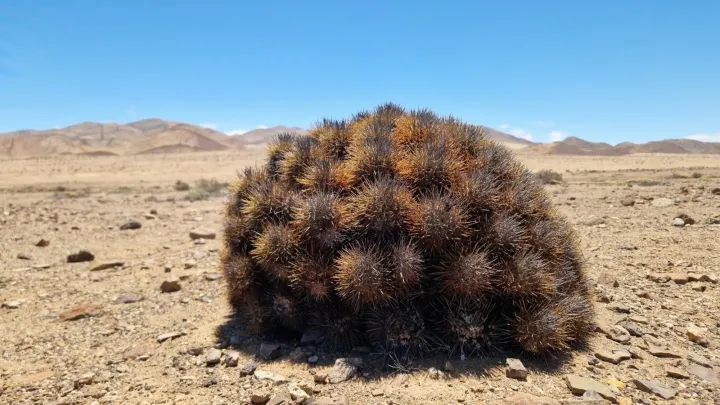
Description
Growing requirements
Copiapoa desertorum is a specialized succulent belonging to the Cactaceae family, endemic to the hyper-arid coastal deserts of Chile. It has evolved to thrive in one of the most inhospitable environments on Earth.
The plant exhibits a characteristic globular to cylindrical stem structure with distinct ribs, protected by dense, strong spines. These features allow the cactus to minimize surface area exposure to the sun while maximizing water storage capacity.
In terms of cultivation, the primary requirement is a highly porous, mineral-based substrate. The potting mix must contain significant amounts of grit, pumice, or sand to ensure that moisture is never retained around the root zone for too long.
Optimal growth requires intense, full-spectrum light throughout the year. If grown under glass, adequate ventilation is paramount to prevent overheating and to simulate the natural coastal breezes of its native habitat.
Temperature management is crucial: during the growing season, the plant appreciates warmth, while a strictly dry, cool period during the winter months is essential to simulate the seasonal changes and prepare the plant for its cycle.
Main diseases and pests
The most severe threat to Copiapoa desertorum is root rot caused by improper drainage or excessive watering. Once the root system is compromised by prolonged dampness, the plant is extremely difficult to recover.
Mealybugs are the most common pests encountered in cultivation. They thrive in the crevices between the ribs, making manual inspection and regular monitoring of the stem surface a standard part of the maintenance routine.
Red spider mites pose a constant threat, especially in hot and poorly ventilated greenhouse environments, as they feed on the succulent tissue and cause permanent scarring of the epidermis.
Fungal infections can spread rapidly in stagnant air. Ensuring consistent airflow around the plant is the most effective preventative measure against the development of necrotic spots and soft tissue rot.
For sustainable cultivation, it is advised to use systemic insecticides and fungicides as a preventative measure during the transition periods between the growth and dormant stages.