
Copiapoa calderana
Copiapoa calderana
Description
Growing requirements
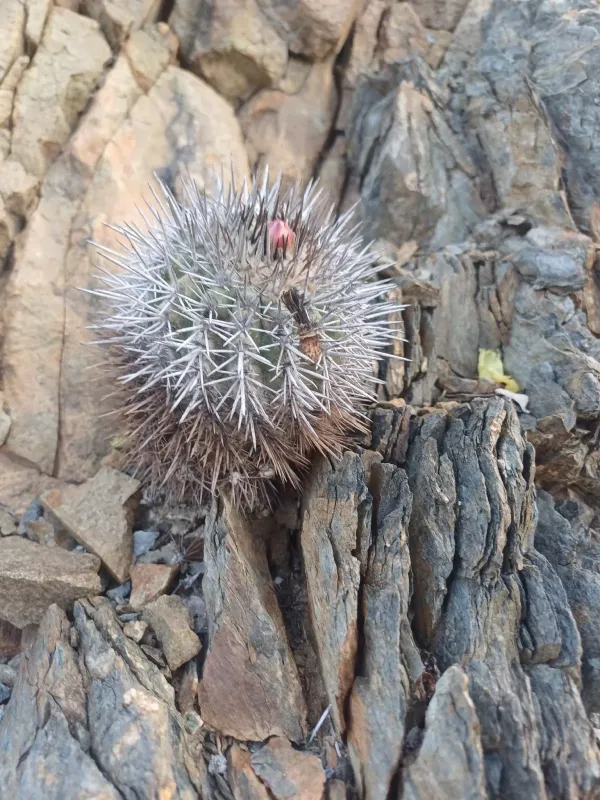
Copiapoa calderana is a slow-growing species of the Cactaceae family, native to the arid coastal regions of the Atacama Desert in Chile. This succulent is highly valued by collectors for its globose growth habit and robust, protective spine formation.
The primary requirement for this culture is intense sunlight. To maintain its natural compact shape and dense spination, the plant must be placed in a high-light environment, preferably outdoors during the growing season or under high-intensity artificial grow lights.
The substrate must be exceptionally well-draining, mimicking the mineral-rich, rocky soil of its native habitat. A mixture composed primarily of coarse grit, sand, and volcanic rock, with very little organic matter, is the standard for successful cultivation.
Climate needs are specific: Copiapoa calderana requires a clear distinction between the growing and dormant seasons. During winter dormancy, temperatures should be kept cool, ranging from 10 to 12 degrees Celsius, with no water provided to prevent physiological damage.
Irrigation management is the most critical aspect of the plant's husbandry. Watering should be infrequent, only occurring when the substrate is completely dry to the touch, and strictly avoided during the colder months to prevent fatal root rot.
Main diseases and pests
Root rot, driven by stagnant moisture in the substrate, remains the single greatest threat to the health of Copiapoa calderana. Once the roots are compromised, the decline of the plant can be very rapid, often making salvage attempts unsuccessful.
Mealybugs are the most common pests that infest these cacti, frequently hiding in the dense woolly areoles or between the ribs. Manual removal with alcohol-soaked tools or application of systemic insecticides is necessary to manage these outbreaks.
Red spider mites pose a threat to the plant's epidermis, leaving unsightly scars and corky patches. Maintaining good air circulation is essential for prevention, as these pests thrive in warm, stagnant, and dry environments without proper ventilation.
Fungal infections can manifest if the humidity levels are high for prolonged periods combined with low light. Providing a dry atmosphere and ensuring the plant does not sit in moisture are the primary preventive measures against fungal growth.
Improper handling during transplanting can lead to invisible damage, which then becomes a point of entry for pathogens. Always handle the plant with care, preferably using gloves or thick paper wraps, and allow roots to heal for several days before resuming watering.