
Copiapoa pendulina
Copiapoa pendulina
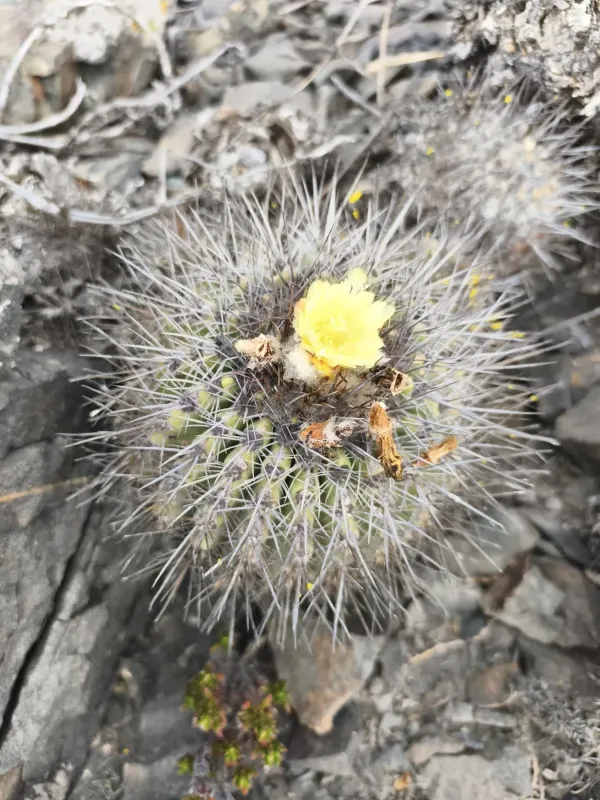
Description
Growing requirements
Copiapoa pendulina is a fascinating member of the Cactaceae family, native to the arid coastal regions of Chile. This species is highly specialized for life in extremely dry environments, surviving primarily on the moisture provided by coastal fogs.
Agricultural success with this species depends heavily on providing maximum light exposure. Like many desert cacti, it requires intense direct sunlight to maintain its compact growth form and natural coloration throughout the year.
The growing medium for this cactus must be highly mineral-based and possess excellent drainage properties. A mix of pumice, coarse sand, and a minimal amount of organic matter is ideal to ensure that the roots do not remain wet for extended periods.
Climate requirements include a distinct cycle of temperatures. During the summer, the plant thrives in warm conditions with good air circulation, while the winter dormant phase requires cooler temperatures to replicate the natural desert cycle.
Cultivation technique is based on a conservative watering strategy. Water should be applied only during the active growing season, ensuring the substrate dries completely between sessions, as the species is particularly sensitive to stagnant moisture.
Main diseases and pests
The most common disease affecting this crop is root rot, which typically stems from improper drainage or excessive irrigation during periods of low light, leading to irreversible cellular damage.
Pests such as red spider mites and mealybugs can pose a significant challenge, especially in greenhouse environments where high humidity levels can occur if the airflow is not properly managed.
Proactive management of these threats involves routine health checks of the epidermis and the base of the stem, as well as the use of preventive fungicides during the repotting process.
Maintaining a dry environment around the collar of the plant is the most effective cultural method to prevent fungal infections and maintain the structural integrity of the cactus.
- Use high-quality drainage systems.
- Implement strict quarantine for new plants.
- Apply specialized insecticides only if an infestation is confirmed.