
Copiapoa montana
Copiapoa montana
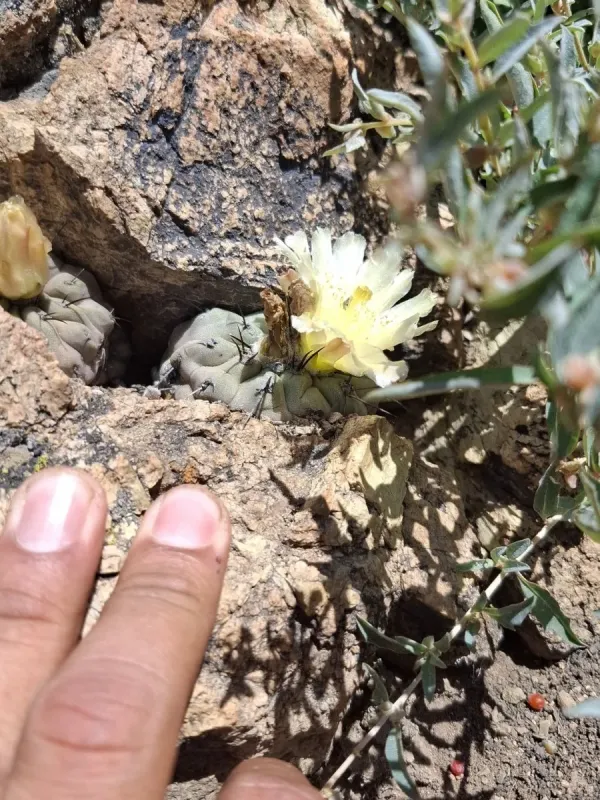
Description
Growing requirements
Copiapoa montana is a distinctive succulent species belonging to the Cactaceae family. Native to the high-altitude, arid regions of Chile, this plant has evolved to thrive in environments with intense solar radiation and minimal rainfall.
To successfully cultivate this species, it is essential to provide full sun exposure. In a greenhouse or home environment, the plant requires maximum light intensity to maintain its structural integrity and natural growth habit.
The soil requirements are strict: the medium must be highly porous and inorganic. A mixture containing 50% coarse mineral grit, such as pumice or volcanic rock, mixed with a standard cactus potting soil provides the necessary aeration.
Temperature control is vital for the health of Copiapoa montana. During the active growing season, temperatures between 20°C and 30°C are ideal. A cool winter dormancy period with temperatures around 10°C is required to trigger flowering.
Watering must be approached with caution. The substrate should dry out completely between waterings. During the winter, water should be withheld almost entirely, as the plant enters a state of deep rest, making it susceptible to rot.
Main diseases and pests
The primary threat to the health of Copiapoa montana is excessive moisture, which leads to root and stem rot. In most cases, this is caused by improper watering intervals during the dormant phase.
Spider mites are a significant pest concern, particularly in dry and poorly ventilated conditions. These pests can rapidly damage the plant's skin, leading to permanent scarring and decreased vigor.
Mealybugs are another common adversary. They often hide in the deep grooves between the ribs of the cactus. Removing them manually or using appropriate systemic insecticides is recommended upon early detection.
Poor ventilation can lead to various fungal pathogens that manifest as brown, corky patches on the epidermis. Ensuring adequate airflow helps to prevent the establishment of these fungi.
Careful monitoring of the plant's appearance is essential. Any signs of softening at the base of the plant should be treated as an emergency, often requiring the cessation of all watering and soil examination.