
Copiapoa marginata
Copiapoa marginata
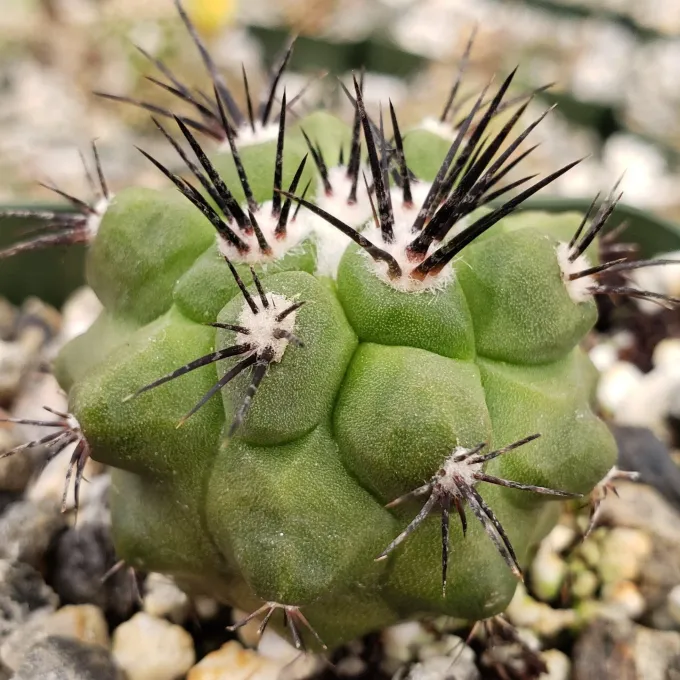
Description
Sowing dates
Propagation of Copiapoa marginata is best achieved through seeds, which should be sown in early spring when temperatures remain consistent between 20°C and 25°C.
The seeds must be sown in a sterile, well-draining mineral substrate to prevent the growth of harmful algae and fungi that often threaten young cactus seedlings.
Maintaining high relative humidity inside the germination container is crucial during the first weeks, followed by a gradual increase in ventilation as the plants mature.
Light is essential for the development of the seedlings; however, direct, harsh sunlight should be avoided during the germination stage to prevent premature desiccation.
Young plants are kept in their nursery pots until they have established a sufficient root structure, typically requiring the first transplant after 12 to 18 months.
Growing requirements
Copiapoa marginata is a member of the Cactaceae family, natively found in the coastal regions of the Atacama Desert in Chile, where it thrives in extreme conditions.
This species requires high levels of solar radiation to maintain its characteristic compact shape and the dense wax layer that protects it from the desert sun.
The cultivation medium must be predominantly inorganic, consisting of gravel, coarse sand, and volcanic pumice to mimic the natural rocky soil of its habitat.
Irrigation must be strictly controlled, providing deep watering during the growth cycle, followed by complete drying out of the soil to prevent root rot.
The plant requires a clear dormant period during winter, with low temperatures (8–12°C) and completely dry soil to trigger the physiological state needed for flowering.
Main diseases and pests
Common pests affecting this species include mealybugs and spider mites, which can cause significant aesthetic damage to the epidermis and weaken the plant's health.
Root rot is the most serious threat to this cactus, caused primarily by poor soil drainage and excessive moisture during low-light winter months.
Fungal pathogens may invade the plant through small cracks or wounds, necessitating the use of systemic fungicides during the early signs of infection.
Monitoring the plant for signs of etiolation or discoloration is vital, as these are often the first indicators of improper environmental conditions or pest infestation.
Implementing a strict hygiene regime, including sterilization of tools and isolation of new plants, is the best preventative strategy against common cactus diseases.