
Copiapoa malletiana
Copiapoa malletiana
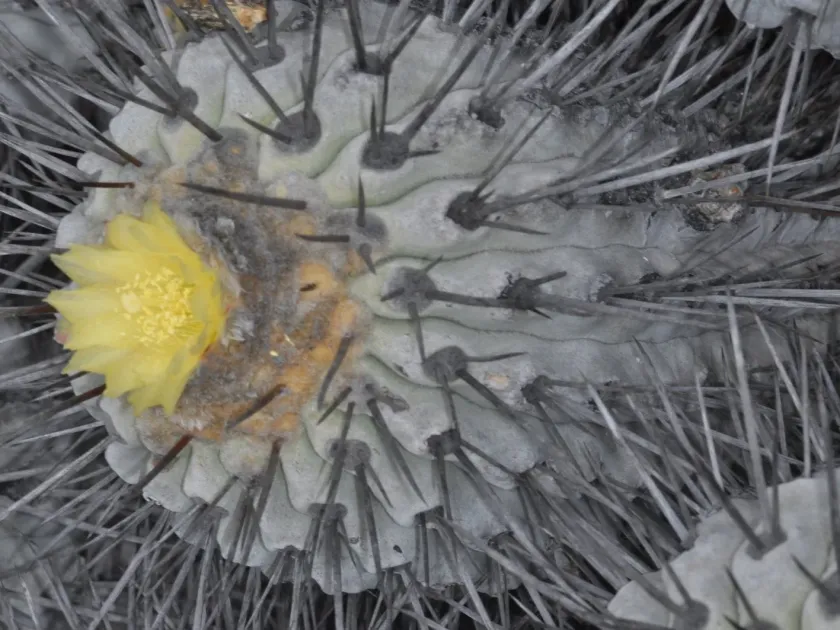
Description
Growing requirements
Copiapoa malletiana is a distinctive succulent species belonging to the Cactaceae family. Native to the harsh coastal environments of Northern Chile, this plant has evolved to thrive in arid conditions, relying heavily on coastal fog for moisture intake.
The botanical structure of this cactus features a globose or slightly elongated stem that can develop into dense clusters over many years. Its epidermis is highly adapted to intense solar radiation, often displaying a greyish or glaucous tint to reflect excessive light.
Cultivation requires conditions that closely mimic its natural habitat. Full sun exposure is non-negotiable for maintaining the plant's natural morphology and health. Inadequate lighting will cause etiolation and make the plant susceptible to various physiological disorders.
The soil requirements prioritize drainage above all else. A highly porous mineral substrate, consisting of decomposed granite, pumice, and minimal organic matter, is essential to prevent water accumulation around the roots, which is the primary cause of failure in cultivation.
Temperature management should follow seasonal cycles, with warmer days during the growing season and significantly cooler temperatures during winter dormancy. Ventilation is vital to prevent the onset of heat-related stress or pathogen proliferation.
Main diseases and pests
The primary threats to Copiapoa malletiana involve moisture-related pathologies. Root rot is the most common issue, typically induced by improper watering schedules or poorly draining substrate mixtures that trap moisture for too long.
Pest management should focus on monitoring for mealybugs, which are notoriously difficult to eradicate once they settle deep within the spines and areoles. Regular inspection using a magnifying glass is highly recommended for early detection.
Spider mites can also be problematic in dry, stagnant air environments. Increasing airflow and occasional misting (only during the day to ensure rapid evaporation) can help mitigate the risk of these tiny pests settling on the epidermis.
- Maintain a strict dry-winter period to prevent fungal growth.
- Use sterilized substrate for every repotting session.
- Apply systemic insecticides preventively if an infestation occurs in the collection.
Consistent observation of the apical growth point is crucial. Any changes in color or texture at the top of the cactus may indicate underlying health issues, requiring an immediate adjustment of the environmental parameters.