
Copiapoa krainziana
Copiapoa krainziana
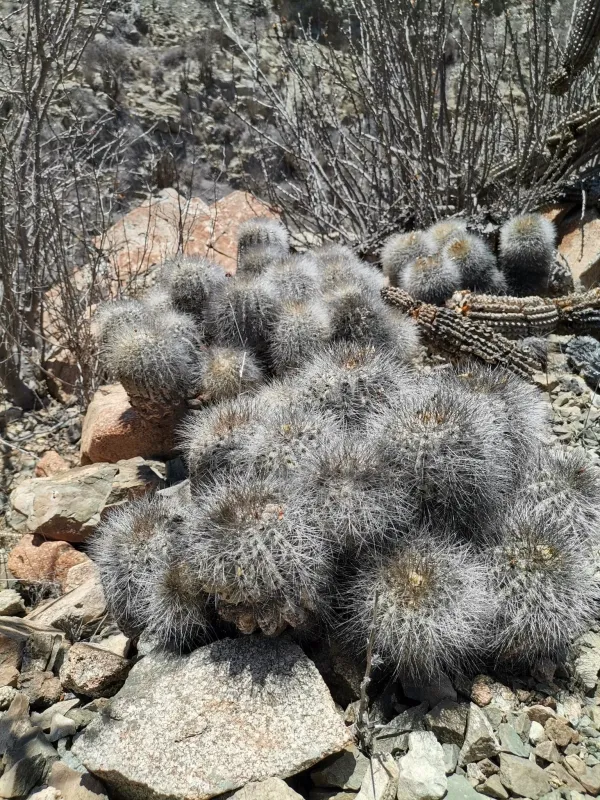
Description
Sowing dates
Cultivation of Copiapoa krainziana is typically started from seeds, as this species is slow to offset and propagate vegetatively. Seeds should be sown in early spring into a well-draining, mineral-based succulent substrate.
Successful germination requires a stable temperature range between 20°C and 25°C. High humidity should be maintained within the seed tray during the initial phase to ensure consistent moisture for the delicate seeds.
The growth rate of seedlings is exceptionally slow, which is typical for this genus. Sterile conditions are mandatory during the first year to prevent damping-off, a fungal disease that can quickly destroy an entire batch of seedlings.
Seedlings should not be pricked out too early; wait until they have reached a reasonable size to ensure they have developed a strong enough root system. Careful handling is required during the transfer process to prevent root damage.
Propagation by cuttings of offsets is rare due to the plant's growth habit. If an offset is removed, it must be dried for several weeks to form a callous before being placed in dry substrate to encourage root development.
Growing requirements
Copiapoa krainziana is a member of the Cactaceae family, native to the arid coastal deserts of Chile. It is highly specialized to endure extreme heat, low rainfall, and intense sunlight throughout the year.
Exposure to full sun is critical to maintain the plant's natural structure and dense, woolly appearance. In low-light conditions, the cactus will etiolate, losing its compact shape and becoming susceptible to various health issues.
The growing medium must be highly porous and inorganic. A mix of coarse sand, crushed gravel, and a small amount of pumice ensures that the water drains away quickly, mimicking the rocky desert soil of its natural habitat.
Watering should be approached with caution, providing moisture only during the active growing season. The substrate must dry out completely between waterings to prevent the roots from remaining in a perpetually damp environment.
Winter dormancy requires dry, cool conditions with temperatures between 8°C and 12°C. This cooling period is essential for the plant's health and promotes the development of future flowers during the warmer months.
Main diseases and pests
The most common cause of failure in cultivating Copiapoa krainziana is overwatering. Excess moisture leads to root rot, which is often irreversible if not detected at the very early stages of the disease.
Root mealybugs are a significant pest that can go unnoticed for a long time. These insects feed on the root system, causing the plant to stop growing and eventually wither away if they are not treated with systemic insecticides.
Spider mites can be an issue in dry environments with poor air circulation. They cause small, unsightly spots on the skin of the cactus, which can disfigure the plant's beautiful, dense woolly coating permanently.
Fungal infections, including Fusarium wilt, can be introduced through contaminated soil. Using sterilized components for the potting mix and keeping tools clean are the best preventative measures for maintaining plant health.
If decay is observed, immediate action must be taken by cutting away the infected tissue and allowing the remaining healthy part to callous. The plant should then be kept dry until new root growth is evident.