
Copiapoa hypogaea
Copiapoa hypogaea
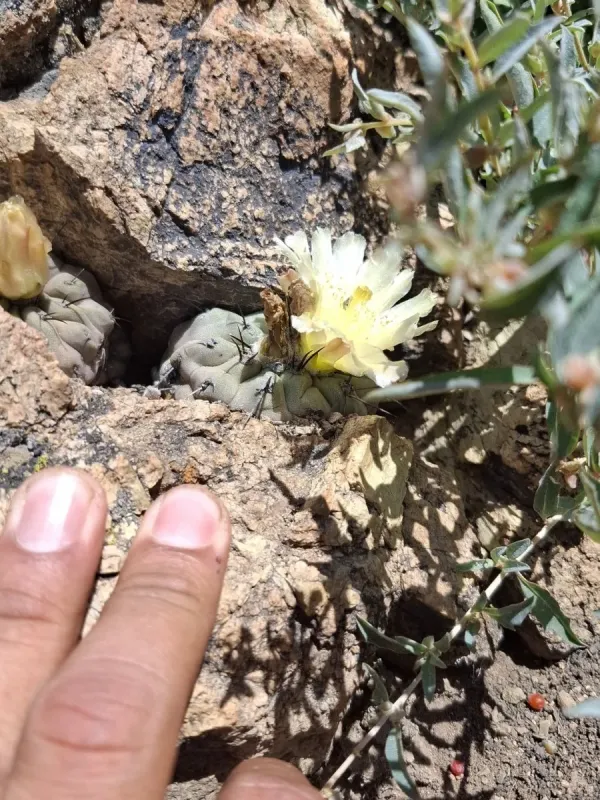
Description
Growing requirements
Copiapoa hypogaea belongs to the Cactaceae family and is native to the coastal regions of the Atacama Desert in Chile. It is a highly specialized, low-growing succulent that has evolved to thrive in environments where rainfall is extremely scarce.
Successful cultivation requires intense full sun exposure to maintain the plant's natural compact shape and health. Inadequate light levels can cause etiolation, which permanently distorts the growth pattern and weakens the plant's resistance to physiological stress.
The substrate must be highly mineral-based, providing rapid drainage to prevent water accumulation near the root system. Using a mixture of coarse sand, perlite, and small gravel without high-organic matter content is the best practice for this species.
Temperatures should mimic its natural habitat, with warm days and significantly cooler nights to facilitate proper metabolism. During the winter months, the plant enters a dormant phase and must be kept cool and strictly dry to ensure future health.
Watering requires precision, acting only as a supplement to natural moisture during the active growing season. Any irrigation must be followed by a rapid drying of the substrate to avoid the rapid onset of fatal root rot which is common in overwatered cacti.
Main diseases and pests
Root mealybugs are a significant pest for Copiapoa hypogaea, often going unnoticed until the plant shows significant decline. Regular inspection of the root ball and the use of systemic insecticides are the only reliable methods for complete eradication.
Spider mites represent a major threat, particularly in hot, stagnant air environments. These pests suck the sap from the plant, causing small discolored spots on the skin that detract from its natural beauty and reduce overall vigor.
Fungal and bacterial infections are almost always the result of improper watering regimes or poor ventilation around the cactus body. Once an infection has compromised the vascular system, the likelihood of plant loss increases significantly.
Epidermal cracking is a physiological risk associated with sudden exposure to moisture after a prolonged period of dehydration. This creates an entry point for secondary infections and leaves permanent scarring on the surface of the cactus.
Improper sanitation of tools used for propagation or repotting can spread diseases between healthy specimens. It is vital to disinfect all equipment and ensure that any cuts are allowed to callus properly before replanting the cactus in new substrate.