
Copiapoa humilis
Copiapoa humilis
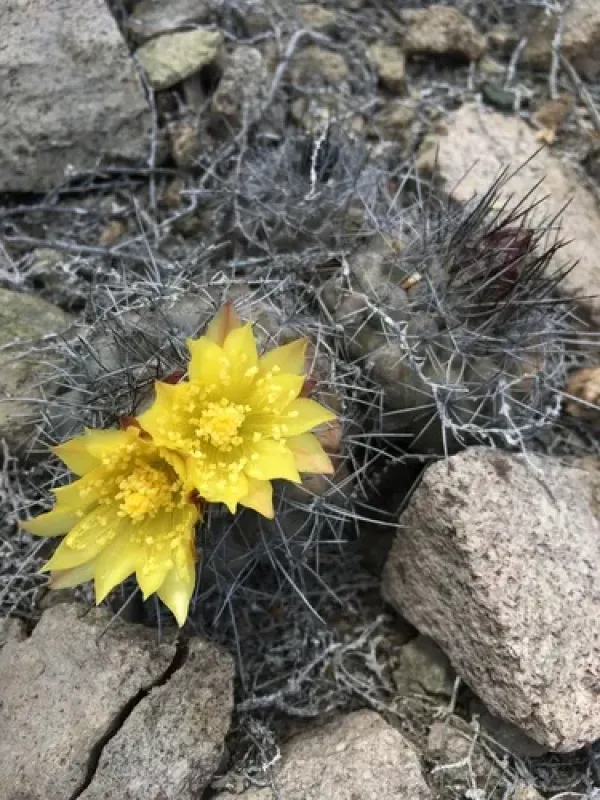
Description
Sowing dates
Sowing seeds of Copiapoa humilis is best performed in spring to coincide with increasing daylight hours. The ideal temperature range for germination is between 20°C and 25°C.
Seeds require a sterile, highly porous substrate consisting primarily of coarse sand and inorganic materials. They should be sown on the surface and lightly covered with fine grit to maintain stability.
During the first year, seedlings must be kept in a controlled, humid environment to ensure survival. A miniature greenhouse or covered tray provides the necessary stability for slow-growing seedlings.
Seedlings develop very slowly, which is characteristic of the species. Patience is required, and they should not be disturbed or repotted for at least 12 to 18 months after germination.
Gradual acclimatization to lower humidity is essential before young plants are moved to standard cultivation conditions. This hardening process helps reduce mortality rates in young cactus collections.
Growing requirements
Copiapoa humilis belongs to the Cactaceae family and originates from the arid, high-altitude regions of Chile. It demands intense direct sunlight throughout the year to maintain its natural, compact, and robust appearance.
The potting medium must be highly inorganic, featuring excellent drainage properties. A mixture of gravel, volcanic rock, and minimal organic matter is the industry standard for these plants to prevent root rot.
Watering should be performed only during the active growing season, allowing the substrate to dry out completely between sessions. During winter dormancy, the plant should remain entirely dry to mimic its natural habitat.
Temperature fluctuations are beneficial for this species. Cool nights during the growing season help the plant metabolize correctly and maintain its structural integrity.
Proper air circulation is crucial to avoid heat buildup and stagnant humidity. Good ventilation allows the plant to breathe and prevents the development of physiological stress.
Main diseases and pests
Root mealybugs are the most significant pest for this species. They hide in the root system, causing the plant to stop growing and eventually decline if not treated with systemic pesticides.
Fungal rots caused by excessive soil moisture are the leading cause of plant loss. These infections act rapidly and are often fatal if caught late, emphasizing the importance of preventive watering habits.
Spider mites may affect the epidermis during hot, dry summer months, leading to scarring and disfigurement. Maintaining appropriate hygiene in the greenhouse helps mitigate this risk.
Sunburn is a risk when moving plants from a dark winter location to intense spring sun. Always ensure a transition period to prevent permanent damage to the plant skin.
- Systemic insecticide application for mealybugs.
- Strict adherence to dry winter dormancy.
- Annual monitoring of root health.
- Providing high-quality drainage pots.
- Removal of damaged or dead plant parts.