
Copiapoa grandiflora
Copiapoa grandiflora
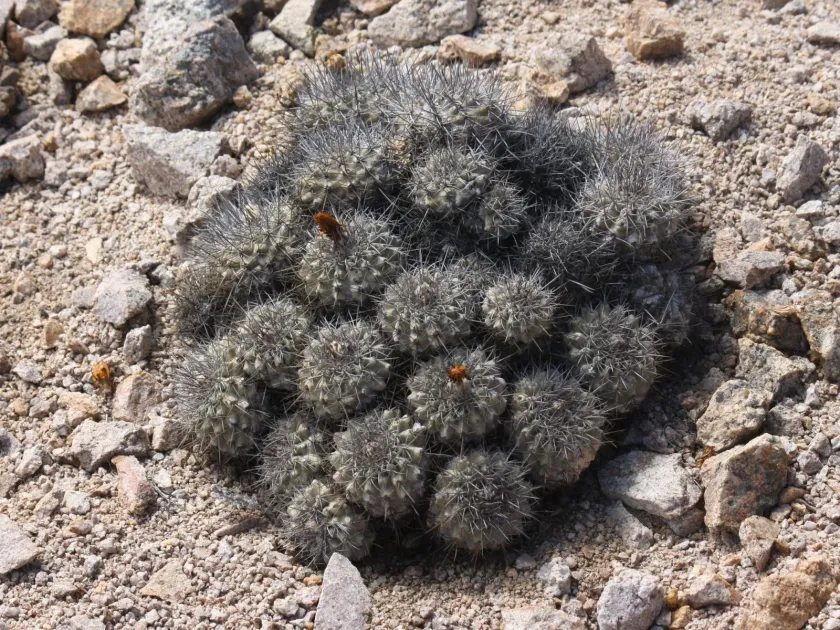
Description
Growing requirements
Copiapoa grandiflora is a highly specialized species within the Cactaceae family, native to the arid coastal regions of northern Chile. It is renowned for its slow growth and distinct globose shape.
In terms of botanical structure, the plant exhibits prominent ribs and dense spines that serve to reflect intense solar radiation. The epidermis is often covered in a greyish-white waxy bloom, which acts as a barrier against extreme evaporation.
The cultivation of this species demands an extremely well-draining, mineral-based substrate. A mixture consisting of coarse pumice, volcanic rock, and minimal potting soil is ideal to mimic the arid conditions of the Atacama fringe.
Exposure to full, unfiltered sunlight is vital for the health of Copiapoa grandiflora. It requires high irradiance levels to maintain its natural compact form and to encourage healthy spine development throughout the growing season.
Watering practices must be strictly controlled, focusing on a deep soak followed by a complete dry period. During the winter dormancy phase, the plant requires almost total dryness and cool temperatures to reset its metabolic cycle.
Main diseases and pests
The most significant threat to Copiapoa grandiflora in an agricultural or greenhouse environment is the onset of root rot triggered by stagnant water and poor air circulation.
Mealybugs are the most common pests that infiltrate the gaps between ribs, feeding on plant sap and potentially causing stunted growth or open wounds for secondary infections.
Spider mites can also be problematic if the humidity remains too low for extended periods, causing unsightly yellowing or scarring on the plant's surface.
Inappropriate substrate composition can introduce nematodes, which are devastating for the root system and extremely difficult to eradicate once an infection is established.
Prevention involves strict adherence to a dry dormancy schedule, regular inspection of the base of the plant, and the use of systemic insecticides only when infestation is confirmed.