
Silver Torch Cactus
Cleistocactus strausii
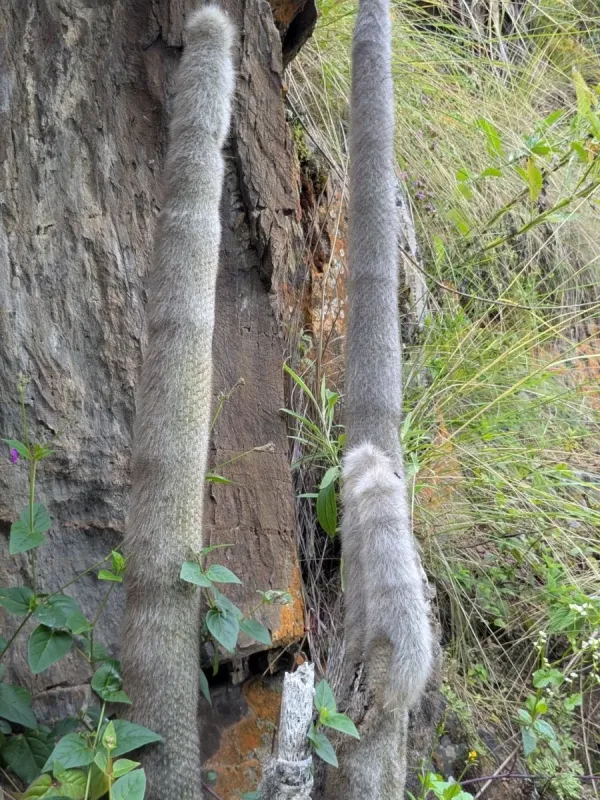
Description
Sowing dates
Propagation of Cleistocactus strausii is primarily achieved through seeds or cuttings taken from mature, healthy mother plants during the growing season.
Seeds should be sown in a porous, well-draining mineral-based substrate, kept consistently moist but not waterlogged until germination occurs.
Once seedlings have developed, it is crucial to gradually introduce them to increased levels of light to prevent etiolation and ensure sturdy growth.
Cuttings should be carefully detached from the base of the main stem and left to callus in a dry, shaded area for several days before being planted.
Proper sanitation of tools and substrate is essential to prevent fungal infections that often impact young plants during their vulnerable development phase.
Growing requirements
The Silver Torch Cactus, belonging to the Cactaceae family, originates from the mountainous regions of Bolivia and Argentina at high altitudes.
It thrives in full sun exposure and requires a gritty, highly porous soil mix to mimic its natural, rocky habitat in the Andean cordillera.
Watering should be deep but infrequent; allow the substrate to dry out completely between applications to simulate natural rainfall patterns.
A significant drop in temperature during the winter months, coupled with dry conditions, is vital for the physiological well-being of the plant.
These plants are adapted to harsh conditions, meaning that excessive fertilization and high humidity are generally detrimental to their growth form.
Main diseases and pests
Common pests affecting this species include spider mites, which thrive in low-humidity environments, and mealybugs that hide among the dense spines.
Root rot, caused by overwatering or poor drainage, is the most common and often fatal condition if not addressed early by repotting into dry substrate.
Fungal pathogens can cause scarring or tissue death; these are best managed by ensuring excellent airflow and reducing ambient humidity around the plant.
Regular inspections are necessary to identify early signs of infestation, allowing for targeted treatment with appropriate horticultural oils or insecticides.
Maintaining the correct seasonal cycle, with strict drought during winter, significantly reduces the plant's susceptibility to physiological stress and subsequent infections.