
Cleistocactus ritteri
Cleistocactus ritteri
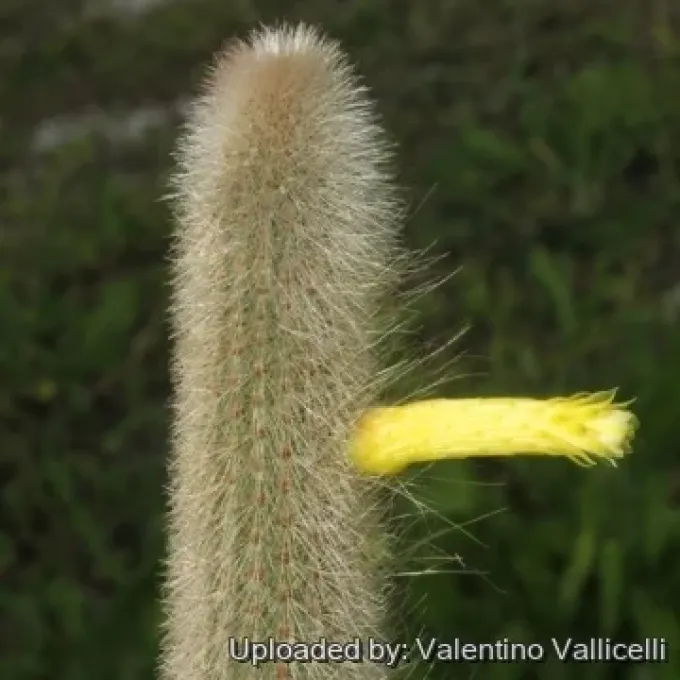
Description
Sowing dates
Propagation of Cleistocactus ritteri is typically achieved through seed germination or by rooting side offsets. Seeds should be sown in a well-draining, sandy substrate at temperatures between 22 and 25 degrees Celsius.
The optimal time for sowing is during the spring when daylight hours increase, providing the necessary energy for seedling development. Keeping the container covered maintains the humidity needed for successful germination.
As seedlings emerge, the cover should be removed gradually to acclimatize the young plants to the ambient room air. Adequate light is crucial during this stage to prevent etiolation, where stems become weak and spindly.
Seedlings should be pricked out and transplanted into individual small pots once they are strong enough to handle. A high-quality drainage layer in each pot is essential to prevent moisture accumulation.
To propagate via cuttings, remove a healthy side offset and allow the cut surface to callus over for several days in a shaded area. Once callused, place the cutting in moist sand to initiate root growth.
Growing requirements
Cleistocactus ritteri, a member of the Cactaceae family, is native to the high-altitude regions of South America. It has evolved to thrive in environments with significant temperature fluctuations and low humidity.
This species requires intense direct sunlight to maintain its structural integrity and health. Inadequate lighting will cause the column-like stems to lose their characteristic shape and density.
The soil should be acidic, loose, and highly porous to ensure rapid drainage. A standard cactus mix amended with coarse sand, perlite, or volcanic grit is highly recommended for optimal root health.
Watering must be very selective: deep watering is only required during the active growth season after the substrate has completely dried out. Winter dormancy requires a significant reduction in watering to mirror natural dry cycles.
This cactus is highly valued for its vertical habit and specialized spines, which offer protection against the harsh sun. Proper seasonal care, specifically a cool winter rest, is essential for potential flowering.
Main diseases and pests
Root rot is the most serious threat to this species, typically caused by waterlogged soil. Once the root system is compromised, the plant may deteriorate rapidly, making prevention through drainage key.
Spider mites are a common pest that target the succulent tissues, especially when the indoor air is too dry. Infestations are marked by fine webbing and discolored, sunken patches on the stem ribs.
Mealybugs can also infest the plant, hiding in the crevices between ribs and near the areoles. Regular inspection and prompt treatment with targeted insecticides or alcohol-based wipes are effective controls.
Poor ventilation can lead to fungal growth on the soil surface, which can eventually infect the roots or lower stem. Ensuring good airflow around the plants is a vital preventative measure.
If signs of decay appear, excise the affected area immediately, cutting back into healthy, firm tissue. Treat the wound with a systemic fungicide or sulfur powder and keep the plant dry while it heals.