
Cleistocactus brookeae
Cleistocactus brookeae
Description
Growing requirements
Cleistocactus brookeae is a member of the Cactaceae family, native to the arid highlands of Bolivia. It is highly adapted to environments with intense sunlight and limited precipitation, making it a robust ornamental choice.
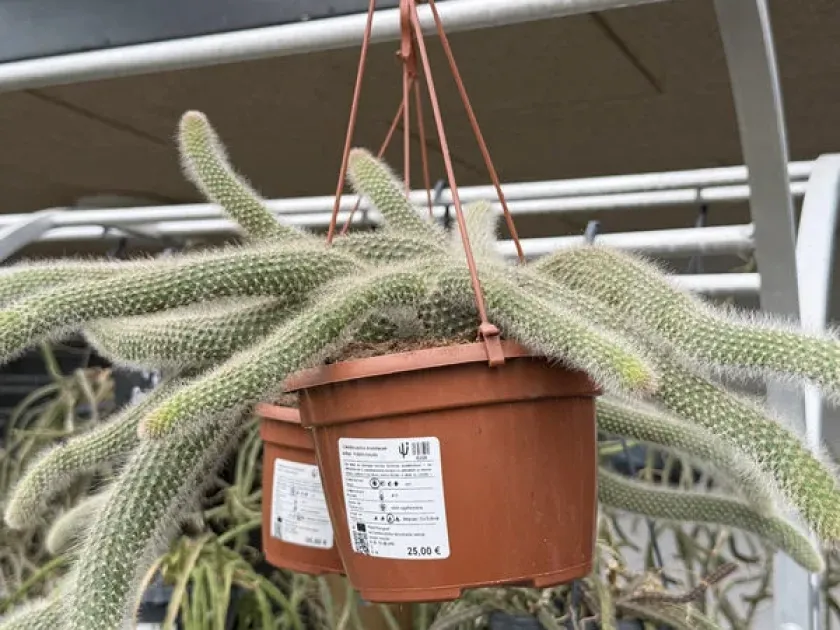
The botanical structure of this cactus consists of columnar, ribbed stems densely covered in fine, needle-like spines. These spines serve as an evolutionary mechanism to protect the plant from high temperatures and dehydration.
Cultivation requires abundant direct sunlight to maintain the plant's structural integrity. Growing it in shaded areas leads to etiolation, which compromises the aesthetic value and physical strength of the stems.
Regarding soil requirements, this culture demands a fast-draining mineral-based substrate. A mixture of horticultural sand, gravel, and a small portion of loam ensures that no moisture remains trapped near the root crown.
In terms of agricultural use, Cleistocactus brookeae is primarily cultivated for ornamental purposes in desert-themed landscapes, botanical conservatories, and specialized private succulent collections.
Main diseases and pests
Root rot is the most significant threat to the health of the plant, almost always caused by waterlogged soil conditions. Proper irrigation management during the growing season is essential to prevent systemic decay.
Spider mites are common pests that thrive in dry and warm indoor conditions. They feed on the epidermis of the cactus, leaving behind unsightly discolored spots that can permanently damage the plant surface.
Mealybugs are another persistent pest that hides within the dense spine coverage, making them difficult to detect. Regular inspection with a magnifying glass is recommended to catch infestations before they spread.
Fungal infections can develop if humidity levels are too high combined with poor air circulation. Improving airflow around the plant helps to create an environment where pathogens struggle to colonize.
Integrated pest management, including the use of systemic insecticides and proper cultural practices, remains the most effective strategy for preserving the long-term vitality of this cactus species.