
Cleistocactus hyalacanthus
Cleistocactus hyalacanthus
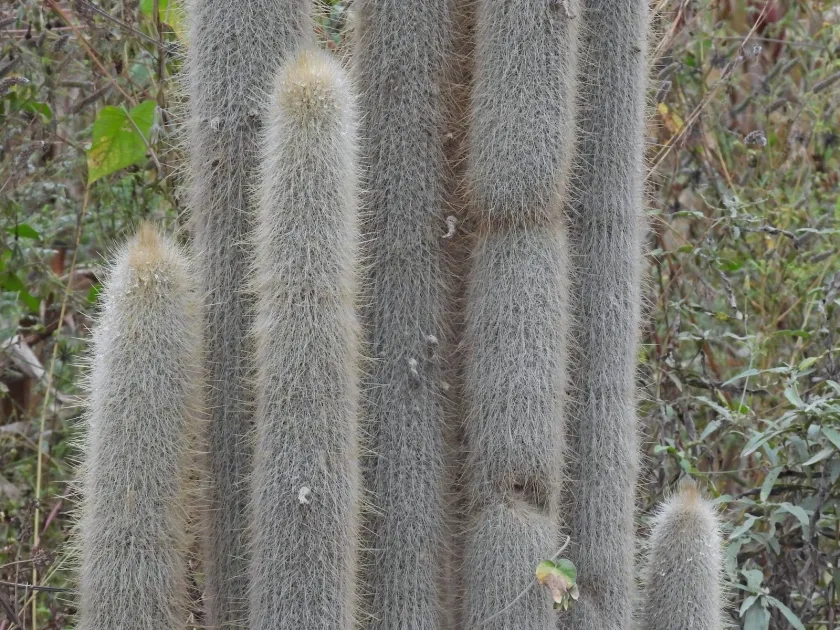
Description
Sowing dates
The sowing of Cleistocactus hyalacanthus seeds is typically performed in early spring to take advantage of increasing daylight hours. This timing is critical for ensuring that young seedlings receive enough energy for rapid initial development.
The substrate for sowing must be light, porous, and well-draining, consisting mainly of fine sand and peat with the addition of activated charcoal. Seeds are sown superficially and pressed lightly into the surface of the damp medium.
Containers are covered with glass or film to maintain a consistent temperature of 22–25 degrees Celsius. Humidity must be kept high initially, while proper ventilation should be provided once or twice a week.
Seedlings emerge within a few weeks and should remain under cover until they are clearly visible and start developing their distinct spines. After this stage, the covering is removed gradually over several days.
Transplanting the seedlings into individual small pots should only be attempted when they have reached a sufficient size to handle the root disturbance. This usually occurs about a year after the initial sowing.
Growing requirements
Cleistocactus hyalacanthus belongs to the Cactaceae family and originates from the arid mountain regions of Argentina and Bolivia. It thrives best in direct, intense sunlight, which is necessary to maintain the plant's structural integrity and compact growth.
The soil requirements are strict: the medium must be highly inorganic, featuring coarse sand, pumice, or fine gravel to ensure rapid water runoff. A neutral to slightly acidic pH is ideal for optimal nutrient absorption.
During the growing season, temperatures between 20 and 28 degrees Celsius are preferred, while a cool winter resting period at 10–12 degrees is essential for triggering future flowering. Protection from winter drafts is highly recommended.
Watering must follow a strict cycle: allow the soil to become completely dry between applications. During the winter dormancy, watering should be significantly reduced or stopped entirely to prevent root rot.
Fertilization should be handled with caution, applying low-nitrogen succulent fertilizer only during the peak growing months of late spring and summer. High nitrogen levels can cause unhealthy, etiolated growth.
Main diseases and pests
Root rot, caused by stagnant moisture in the root zone, is the most common threat to this species. It is imperative to ensure that the pot has drainage holes and that the growing medium does not remain soggy.
Spider mites represent a major pest risk, particularly when the air is dry and ventilation is poor. These pests can be managed by using targeted acaricides and increasing airflow around the plant.
Mealybugs are another frequent issue, often hiding within the dense spine clusters of the cactus. Manual removal or the use of systemic insecticides is necessary to effectively control these populations.
Improper lighting conditions lead to etiolation, a condition where the stem becomes thin, pale, and weakened. Once a cactus becomes etiolated, it is structurally compromised and susceptible to collapse.
Fungal infections can occur if the cactus body stays wet after watering. It is important to keep the stem dry and ensure the environment provides good circulation to prevent pathogens from establishing.