
Cleistocactus morawetzianus
Cleistocactus morawetzianus
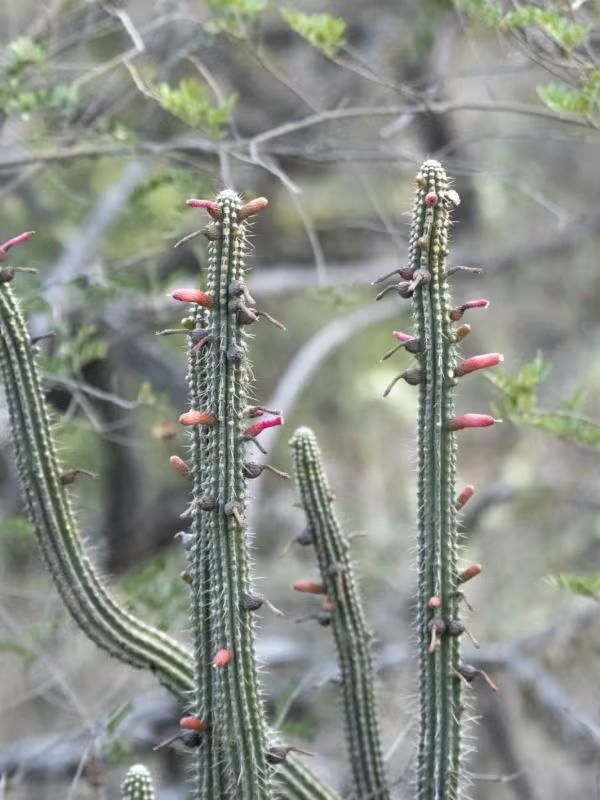
Description
Growing requirements
Cleistocactus morawetzianus is a prominent member of the Cactaceae family, native to the rugged terrains of Peru. This species is characterized by its columnar habit and dense spines, adapted to high-altitude environments with high UV exposure and rocky, nutrient-poor soil.
Successful cultivation of this species requires a highly porous, gritty substrate that ensures rapid drainage. A mix comprising pumice, volcanic rock, and a minimal amount of organic loam is ideal for preventing the stagnant moisture that the roots of this species cannot tolerate.
The plant thrives in full sun and requires as much light as possible to maintain its characteristic structure and vibrant spine coloration. In an indoor setting, placing the plant in a south-facing position is essential for its long-term health and growth vigor.
Watering protocols must be strict. During the active growing season, water should be provided only when the substrate has completely dried out. The "soak and dry" method is recommended, ensuring that excess water is drained away immediately after irrigation.
During winter, the plant enters a period of dormancy, necessitating cooler temperatures between +10°C and +12°C. Keeping the cactus dry during this time is critical to encourage flowering in the following season and to prevent etiolation caused by low-light conditions.
Main diseases and pests
The primary threats to Cleistocactus morawetzianus include root rot and stem rot, often triggered by excessive humidity or poor ventilation. If the substrate remains damp for extended periods, the plant’s cellular structure rapidly breaks down, leading to irreversible rot.
Spider mites are common pests that specifically target the soft tissue between the ribs of the cactus. Their presence is indicated by fine webbing and yellowing or scarred areas on the epidermis, which can lead to significant aesthetic degradation.
Mealybugs can also infest this species, often hiding deep within the dense spination where manual removal is difficult. Systemic insecticides are generally the most effective way to treat these infestations without damaging the delicate waxy coating of the stem.
Infections from fungi such as Fusarium can occur if the cactus is kept in poorly ventilated rooms. Good air circulation is essential to keep the surface of the stem dry and to discourage the colonization of spores on the plant's skin.
Routine inspection of the root zone is recommended during repotting to detect early signs of infestation by root mealybugs. If found, the root system should be treated with appropriate pesticides and the plant repotted in fresh, sterile substrate.