
Cleistocactus chrysocephalus
Cleistocactus chrysocephalus
Description
Growing requirements
Cleistocactus chrysocephalus belongs to the Cactaceae family and is native to the diverse mountainous habitats of South America. It is a succulent plant species valued in agriculture for its unique aesthetic properties and resilience.
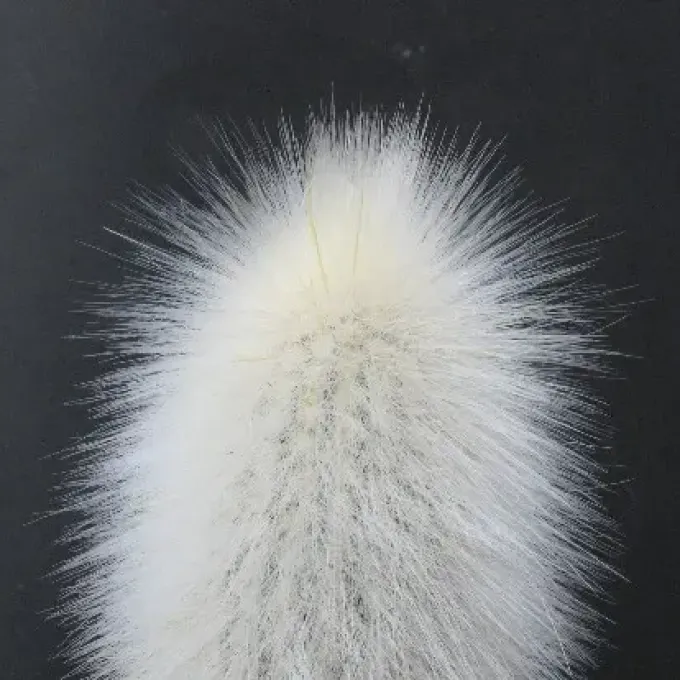
The botanical structure is characterized by columnar stems protected by dense spination and golden hair. This anatomical feature is an evolutionary adaptation meant to mitigate extreme heat and provide a barrier against intense UV exposure.
Agrotechnical requirements prioritize the use of well-draining, gritty soil substrates to ensure proper aeration. Water stagnation is the primary cause of plant loss; therefore, irrigation frequency must be carefully calibrated to environmental evaporation rates.
This species requires high light intensity levels to maintain its physiological health and form. Insufficient light results in etiolation, where the stem becomes elongated, weak, and loses its natural coloration and structural integrity.
During the dormant winter season, temperature control is critical to trigger blooming cycles. Maintaining cool, dry conditions allows the plant to enter a resting state, which is essential for healthy development in the following growing season.
Main diseases and pests
The most significant pathological threats to Cleistocactus chrysocephalus are fungal infections triggered by excessive moisture and poor air circulation in the greenhouse environment.
Pests, specifically mealybugs and spider mites, are frequent issues. These pests thrive in the dense spines, making them difficult to detect until the infestation reaches a significant level of damage.
Root rot is the most lethal condition for these plants, often resulting from poorly draining soil or irrigation errors. Once symptoms appear on the stem, the infection is typically advanced and difficult to reverse.
Effective management involves proactive monitoring and the application of specialized pesticides or acaricides designed for succulent collections to prevent systemic damage.
Maintaining a clean growing environment and ensuring sufficient cross-ventilation are the best cultural practices to mitigate the risks of both pest outbreaks and fungal pathogen transmission.